
How Event Production Companies Work Behind the Scenes
Event production is fascinating, where creativity and meticulous planning create unforgettable experiences. Has an event been seamless and magical from start to finish? Event production companies, the unsung heroes who make simple ideas memorable, are behind that enchantment. This article will reveal the complex methods these master planners, tech wizards, and problem-solvers use to perfect every detail. Discover event production's hidden magic.
Key Takeaways
A clear vision guides event production, turning ideas into detailed plans for the event's look and feel.
Detailed sound, light, and power planning ensures everything works together.
Building the event involves custom fabrication, technology integration, and thorough testing to ensure success.
Logistics are crucial, ensuring everything arrives at the venue and is assembled on-site.
During the event, teams manage everything in real time and can fix any issues to keep guests happy.
The Genesis Of Impact: Conceptualizing the Unforgettable
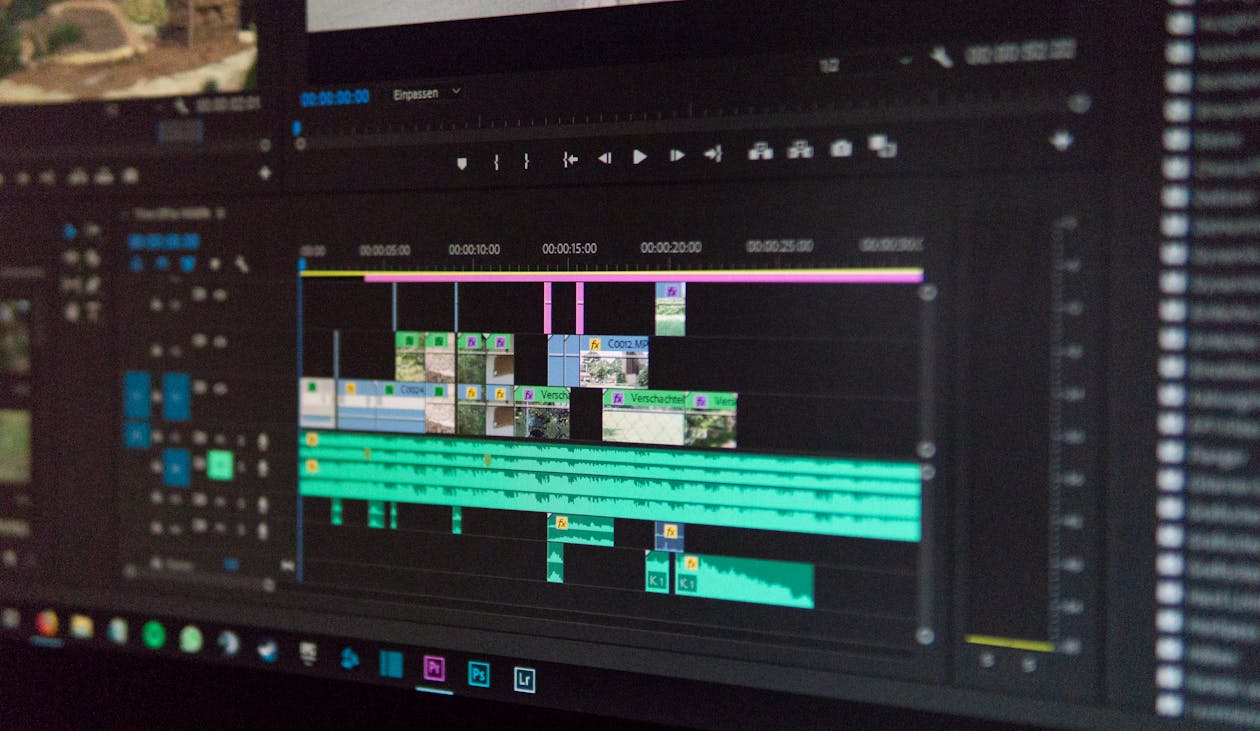
Before the first cable is laid or the last light is hung, every unforgettable event begins with a spark. It’s in this initial phase, the genesis of impact, that you and your team transform a simple idea into a tangible vision. Think of it as sketching the blueprint for a dream. You're not just planning an event; you're architecting an experience that will linger long after the last guest departs.
From Vision to Blueprint: Defining Event Objectives
This is where you get down to the nitty-gritty of why you're creating this event. What do you want people to feel, know, or do afterward? Is it about launching a product, celebrating a milestone, or building community? Pinpointing these objectives is like setting your compass. Without a clear destination, any path will do, but with one, you can chart a course that actually gets you somewhere meaningful. You'll want to consider:
Audience: Who are you trying to reach?
Message: What core idea needs to be communicated?
Outcome: What specific action or feeling should attendees have?
This foundational step ensures that every subsequent decision, from the smallest decor detail to the grandest stage production, serves a clear purpose. It’s the bedrock upon which all other creative and logistical elements will be built.
Forging the Narrative: Crafting Compelling Concepts
Once your objectives are crystal clear, it's time to weave a story. This is where creativity takes flight. You're not just decorating a space; you're building a world. What's the theme? What's the mood? This is where you might start pulling together mood boards, collecting textures, colors, and imagery that capture the essence of the experience you want to create. It’s a blend of art and strategy, aiming to create something that feels both unique and deeply connected to your goals. This is the stage where you might explore different event production services to see how they can help bring your narrative to life.
The Architect's Sketch: Designing Immersive Environments
Sketching the physical space with a narrative. Can the environment tell your story? This includes space flow, sightlines, sensory details, and everything else that makes the event feel complete. Understanding how lighting, sound, and physical structures will immerse your audience is key to translating abstract ideas into concrete designs. After this detailed design phase, technical and logistical planning can begin.
Engineering Spectacle: The Technical Backbone
Engineering Spectacle emphasizes the crucial phase of detailed technical planning needed to translate a vision into a tangible, functional event. Designers and engineers collaborate using advanced 3D software to create comprehensive plans that ensure aesthetic appeal while addressing safety, practicality, and venue constraints. This phase is akin to crafting the foundational "DNA" of the event, focusing on structural integrity, power requirements, and interconnectivity of different elements.
Where will the main stage structure sit?
How much power do all those screens and lights actually need?
What are the best spots for audio to reach everyone clearly?
How will the rigging support all the moving parts?
This detailed planning is the bedrock upon which the entire event's success is built. Skipping steps here is like building a house on sand.
The Symphony of Sound and Light: Audiovisual Mastery
Once the structures are planned, the spectacle of sound and light begins, focusing on atmosphere and storytelling. Lighting designers create mood and highlight moments, leaving an emotional impact. Sound must be clear and powerful, ensuring a good experience for every audience member. Audio technicians are vital for optimal sound delivery, while video elements like screens enhance the visual message. All these components aim for a synchronized performance that captivates the audience.
Powering the Vision: Electrical and Infrastructure Design
Electrical and infrastructure design is crucial for powering events, supporting technologies such as lighting, sound systems, and special effects. It involves calculating total power requirements and ensuring the venue can meet them, which may require generators, distribution systems, and safe cable management.
It's a massive logistical puzzle that requires precision. Think about it:
Mapping Power Needs: Calculating the exact wattage required for every single piece of equipment.
Distribution Strategy: Planning how that power will be safely and efficiently distributed across the entire site.
Backup Systems: Considering what happens if the primary power source fails – contingency plans are key.
This behind-the-scenes work is what keeps the entire show running smoothly. Without a solid electrical foundation, even the most brilliant audiovisual setup will simply go dark.
The Art of Assembly: Fabrication and Integration
The Art of Assembly emphasizes the processes of scenic fabrication and technology integration in event production. Scenic fabrication transforms design blueprints into physical elements, requiring precise measurements for proper fitting. Following this, technology integration involves installing and synchronizing audiovisual equipment to create a cohesive experience, necessitating meticulous planning. Prior to the event, comprehensive testing ensures all components function seamlessly, with technical rehearsals addressing any issues to achieve a polished final presentation for attendees. This meticulous approach is key to a successful live event management experience.
Orchestrating the Grand Entrance: Logistics and Venue Mastery
Orchestrating a successful event requires turning a grand vision into reality through meticulous logistics. It involves the careful movement of essential components like set pieces, lighting rigs, and AV equipment, necessitating collaboration with specialized shipping companies and precise planning. Ensuring on-time delivery is crucial, as even a slight miscalculation can disrupt the event. This process is a complex interplay of tracking, communication, and strategic timing.
Navigating the Labyrinth: Venue Coordination
Understanding a venue's unique characteristics and collaborating with its staff is crucial for successful event setup. Finding the right event space is just the first step; mastering it is the real challenge.
The Rhythm of the Build: On-Site Installation and Show Floor Execution
Effective on-site installation requires teamwork, meticulous planning, and contingency measures to ensure a seamless transformation of the venue.
Here’s a look at what goes into the build:
Load-in Schedule: A minute-by-minute plan for when trucks arrive, equipment is unloaded, and setup begins.
Site Management: Designating specific zones for different teams and equipment to avoid chaos.
Quality Control: Constant checks to ensure everything is built to spec and functions correctly.
Safety Briefings: Ensuring all crew members are aware of and adhere to safety protocols.
The Pulse of the Event: Live Production and Dynamic Management
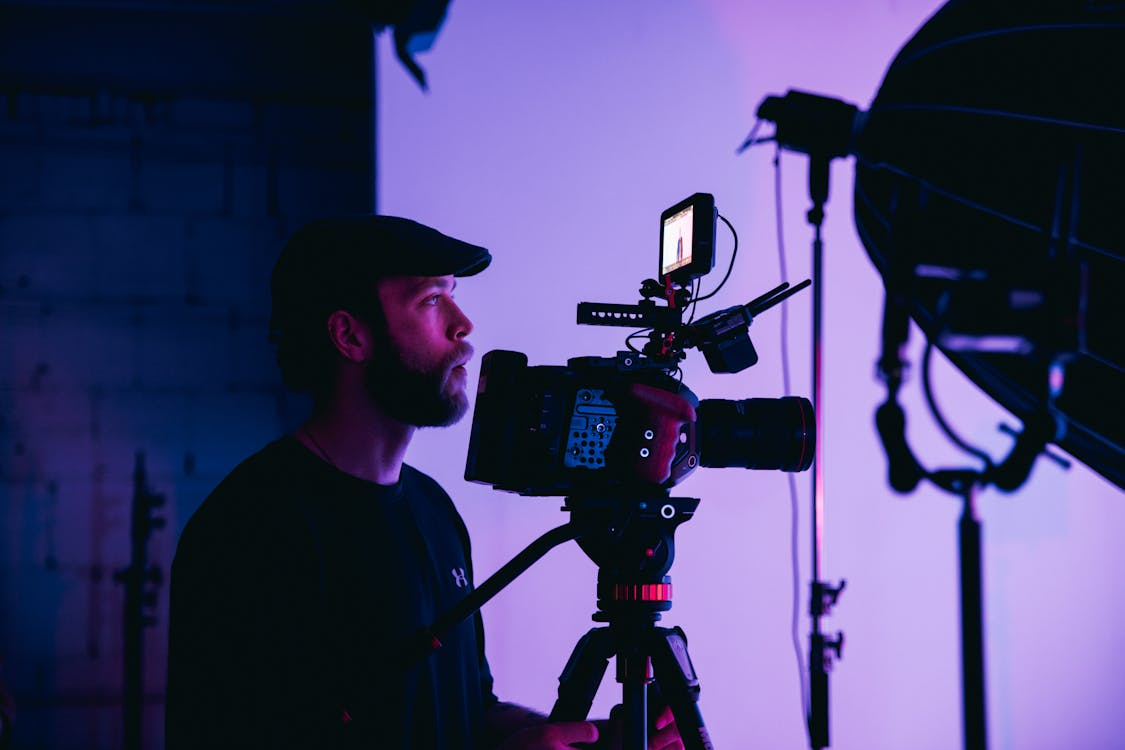
The curtain rises, the lights dim, and the energy in the room shifts. This is where months of planning and meticulous preparation meet the unpredictable reality of a live audience. Your event is now in motion, and the real magic—or potential chaos—begins. This phase is all about keeping the ship steady, even when the seas get rough.
Commanding the Moment: Real-Time Control Systems
Sophisticated control systems synchronize various elements of live productions, ensuring a seamless and engaging experience. You can see how these systems are built into the fabric of modern events by looking at event production companies.
The Unseen Adjustments: Flexibility and Problem-Solving
Sophisticated control systems synchronize various elements of live productions, ensuring a seamless and engaging experience.
Rapid Response: Teams are trained to identify issues within seconds.
Contingency Planning: Pre-defined backup scenarios for common problems.
Communication: Constant, clear communication between all technical and stage management teams.
The goal is to make the complex appear simple. Attendees should feel immersed in the experience, unaware of the intricate machinery and rapid decision-making happening just out of sight.
Ensuring Seamless Flow: Guest Experience Management
Sophisticated control systems synchronize various elements of live productions, ensuring a seamless and engaging experience.
Forging Alliances: The Power of Vendor Partnerships
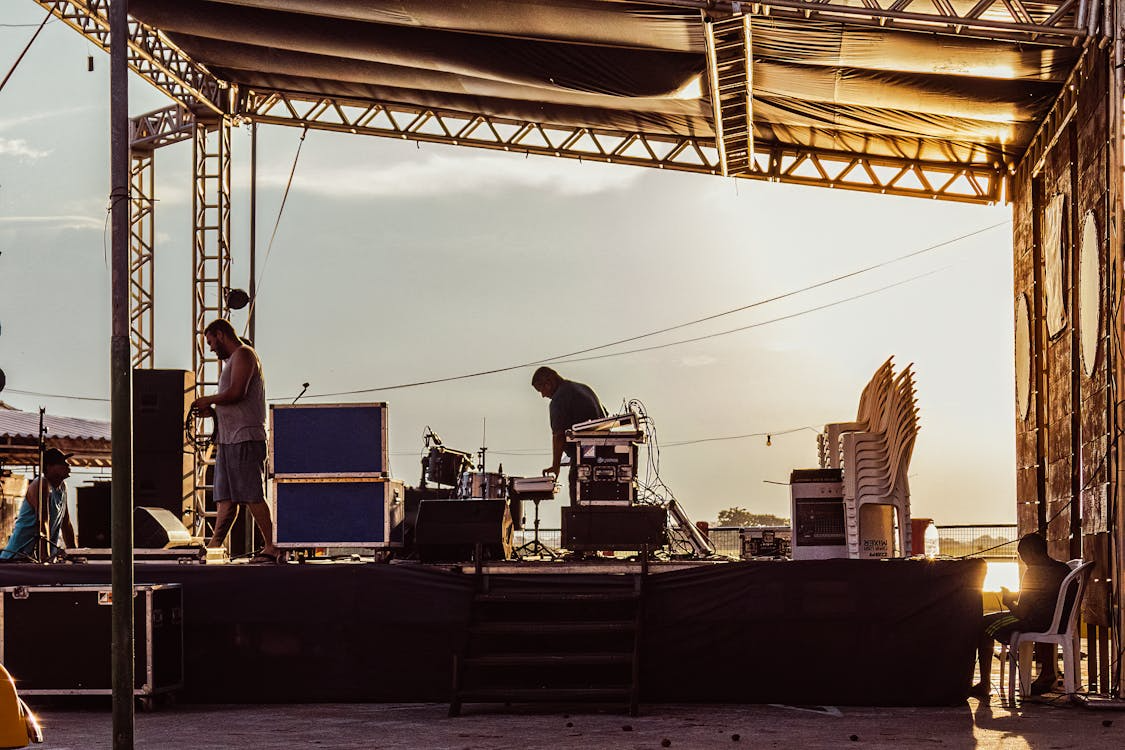
Forging alliances with key suppliers is essential for successful event planning. Vendors are not just service providers but partners who bring your vision to life. Thoroughly vetting potential suppliers through references and portfolios ensures their capabilities align with your event's needs. Building a trustworthy network of professionals, from caterers to AV teams, is crucial for a seamless event experience.
Building Bridges: Cultivating Reliable Relationships
Once you've identified potential partners, the real work begins: building relationships. This isn't a transactional game; it's about creating a network built on trust and mutual respect. Long-term partnerships often mean better pricing, more attentive service, and a deeper understanding of your event's specific needs. When you have vendors who know your style and your standards, they can anticipate challenges and offer solutions before you even have to ask. This synergy is what separates a good event from an unforgettable one. It’s about having a team you can count on, day in and day out, who are as invested in your event's success as you are. This network is a significant asset for any event production company.
Synergy in Action: Vendor Contributions to Event Success
Synergy among vendors is crucial for event success, ensuring seamless execution of details such as custom fabrication and guest transportation. Their behind-the-scenes contributions create a polished experience, quickly addressing unexpected issues and enhancing overall satisfaction. A dedicated network transforms plans into remarkable realities through meticulous execution and reliability.
Here’s a look at the types of vendors you'll likely rely on:
Audiovisual: Sound systems, lighting, screens, and projection.
Staging & Fabrication: Custom sets, backdrops, and structural elements.
Catering: Food and beverage services tailored to the event's theme and guest needs.
Logistics: Transportation, shipping, and on-site setup crews.
Talent: Speakers, performers, and entertainment.
Decor: Floral arrangements, furniture, and thematic props.
The Horizon of Experience: Evolving Event Production
The evolution of event production through the incorporation of immersive technologies. It emphasizes that the use of augmented and virtual reality can transform audience engagement, allowing them to feel like active participants rather than mere observers. The future of event storytelling is highlighted as moving towards dynamic, interactive narratives that create emotional connections, such as product launches that visually convey innovation. Additionally, the importance of opportunities for genuine interaction, personalized content, and gamification in maintaining audience interest is stressed. Successful events will prioritize engagement that fosters conversations and involvement, ensuring impactful messaging.
The world of event planning is always changing, and we're at the forefront of what's next. We're constantly exploring new ways to make events unforgettable, blending creativity with the latest technology to bring your vision to life. Ready to create an event that wows your guests? Visit our website to see how we can make your next event spectacular!
The Unseen Architects of Experience
From the first spark of an idea to the final curtain call, you've peeked behind the curtain. It's a world where chaos is managed, where countless moving parts somehow come together, and where your experience is the only thing that matters. You might think it's just about setting up some lights and speakers, but it's so much more. It's about strategy, about making sure every single detail serves a purpose, and about having a team ready to fix whatever goes wrong before you even notice. Next time you're at an event, take a moment. That feeling you get, that connection, that memory being made? That's the work of those unseen architects, the event production pros, making magic happen while you're busy enjoying the show.