
The Role of Producers in Modern Television Production
TV producers' roles are often unclear, so many wonder what they do. Producers, like conductors of complex orchestras, turn ideas into captivating shows that entertain audiences. They combine creative vision with practical management to ensure projects run smoothly, budgets are met, and timelines are met. Modern television producers shape the content we see on our screens despite working behind the scenes.
Key Takeaways
Producers are the main people who take a TV show idea from the very beginning all the way to when it airs.
They have to figure out the money and make sure things happen on a schedule.
Producers work with lots of different people, like writers, directors, and the actors, to make the show happen.
They also deal with the network or studio and help get the word out about the show.
Things don't always go to plan, so producers have to be good at solving problems when they pop up.
The Architect Of Vision: From Concept To Screen
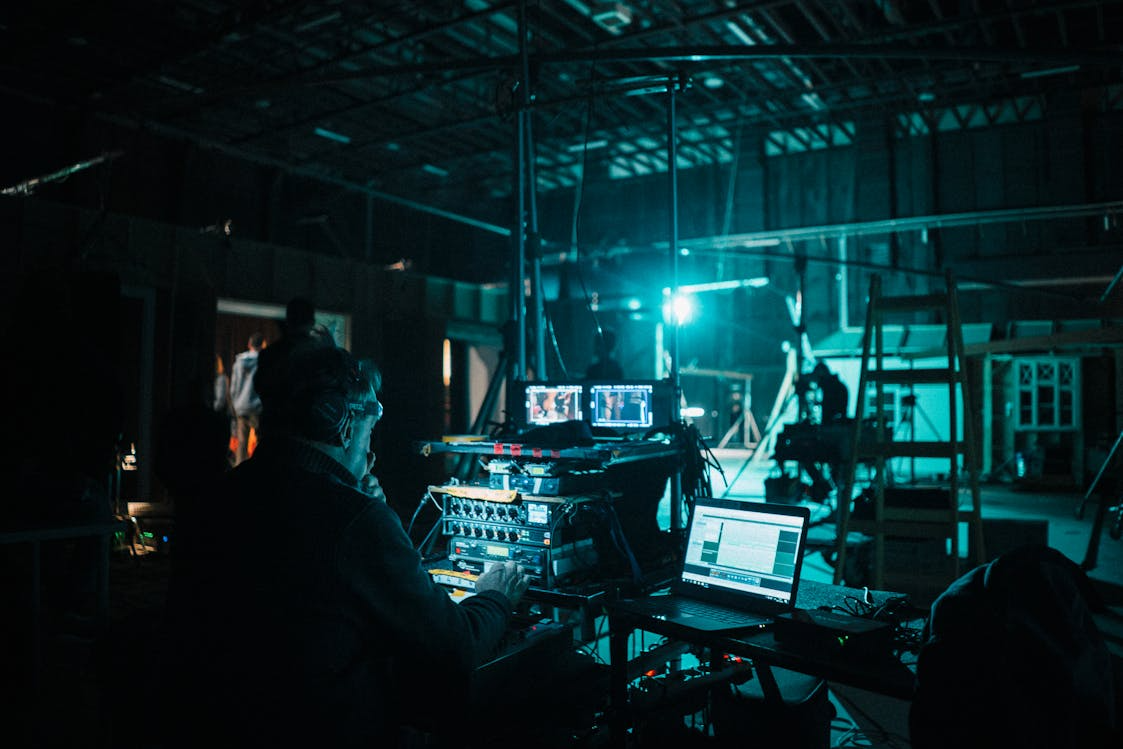
Transforming an idea into a captivating production, the focus is on the visionary who initiates creativity and crafts a compelling narrative. It outlines the visionary's key responsibilities, including story development that resonates with audiences and resource acquisition for production. The introduction emphasizes collaboration with writers and creative teams, as well as the strategic skills needed to balance artistic ambition with commercial success, revealing the complex steps in turning dreams into cinematic reality.
Orchestrating The Production Symphony
This passage emphasizes the critical role of budgets and schedules in project management, likening the process to conducting an orchestra. It underscores the necessity of meticulous planning, constant oversight, and the ability to make difficult decisions regarding resources to ensure financial stability and timely execution. Effective management is portrayed as essential for transforming a vision into reality while preventing financial pitfalls.
Assembling The Elite Ensemble
Your crew is your band, and you need the best musicians for your performance. This involves identifying the right talent, from the director who shares your vision to the cinematographer who can paint with light, and the department heads who bring specialized skills. It’s about building a team that’s not only skilled but also collaborative and committed to the project’s success. You'll be looking for individuals who can contribute creatively and practically, ensuring that every member of the ensemble plays their part perfectly. Finding the right people is key to a successful television production.
Navigating Logistical Labyrinths
Every production in filmmaking presents complex logistical challenges that require effective problem-solving and focus. As a guide, one must anticipate potential roadblocks and develop strategies to maintain momentum, adapting swiftly to unforeseen issues like weather changes or equipment failures. This phase demands attention to detail and proactive coordination of travel, equipment rental, and permit acquisition, all while preserving the creative vision, making it a rewarding endeavor when successful.
Challenges in Television Production and How to Overcome Them
The Strategic Navigator: Guiding Through Production's Crucible
You're now the director of a complex operation, tasked with managing chaotic elements to ensure timely and budget-compliant execution without compromising the project's integrity. On set, you must maintain constant oversight, supporting the director and actors while navigating scheduling challenges and fostering a productive environment, akin to conducting an orchestra where every element harmonizes effectively.
Mitigating Unforeseen Crises
Something always goes wrong. A key piece of equipment fails, a location becomes unavailable, or a sudden weather change throws everything off. Your job is to be calm in the storm. This requires quick thinking and a deep well of contingency plans. You need to have backup options ready, whether it's a different shooting schedule, alternative equipment, or a revised scene that works around the problem. The ability to pivot without losing momentum is your superpower. This is where your experience and your team's trust in your decisions really pay off. You’ll find that having a solid understanding of the entire production process helps immensely when these issues pop up.
Championing Creative Integrity
Creative integrity involves protecting a project's original vision despite deadlines and budgets. This role requires tough decisions to avoid creative compromises that could dilute the story or artistic intent, ensuring the final product is impactful and practical.. You have to fight for the moments that matter, the performances that shine, and the narrative threads that make the show unique. This often involves:
Protecting key creative decisions from external pressures.
Facilitating open communication between the director and department heads.
Finding creative solutions that don't compromise the artistic vision.
Making sure the story remains the central focus, even when things get complicated.
The set is a pressure cooker, and you're the one managing the heat. Your strategic foresight and ability to adapt are what transform a potentially disastrous day into a productive one, keeping the project on track and the creative spirit alive.
The Post-Production Alchemist
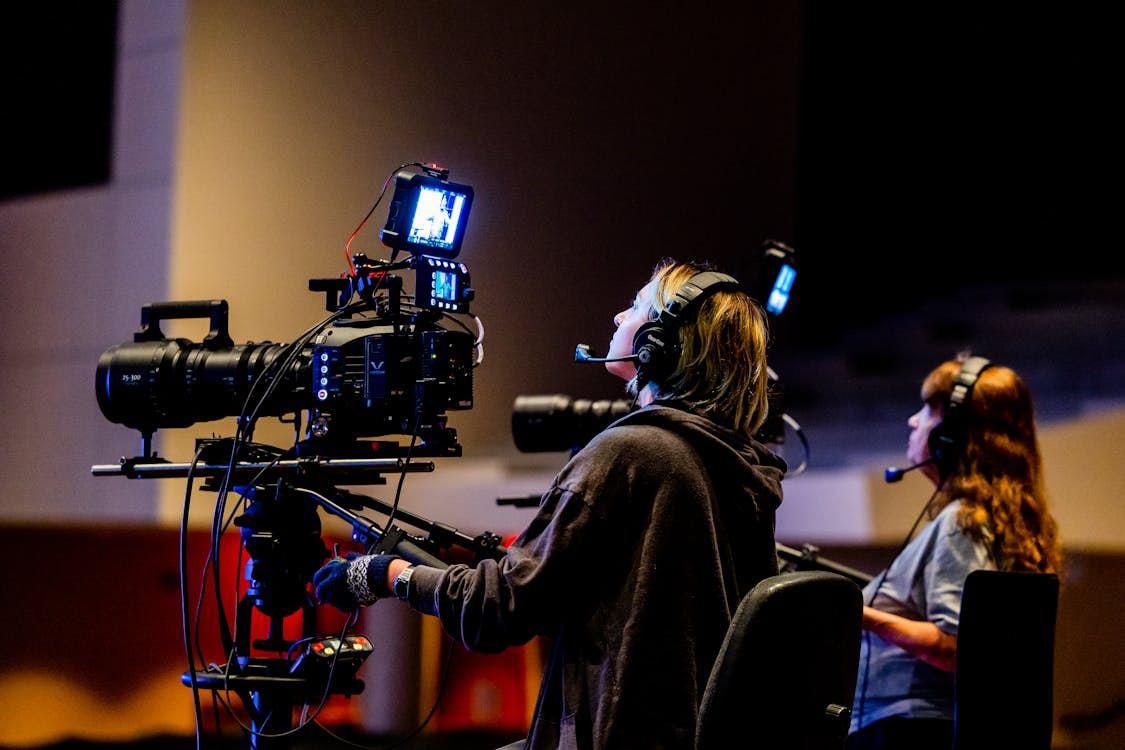
The post-production phase is likened to alchemy, where raw footage transforms into a compelling narrative. The collaboration between the producer and editor is crucial, focusing on shaping the story by carefully selecting and arranging scenes to emphasize emotional impact. Technical aspects such as sound design, color correction, and visual effects are emphasized for enhanced viewer engagement. As the final cut is polished, attention to detail ensures that pacing and emotional resonance fulfill the initial vision, culminating in a satisfying conclusion that resonates with audiences.
The Network And Studio Liaison
The Network and Studio Liaison serves as a crucial intermediary between creative vision and commercial viability. This role entails translating artistic concepts to align with the needs of networks or studios, considering their brand, audience, and financial objectives. The liaison explains the strategic benefits of creative decisions and adjusts narratives to enhance marketing potential, consistently balancing the relationship between artistic intent and business requirements..
Negotiating for Success
This is where the real deal-making happens. You're in the room, hashing out the details that will define the project's life. This isn't just about getting the best budget; it's about securing the right terms, the creative freedom you need, and the support that will see the show through. Think about the big picture: what rights are you negotiating? What are the back-end potentials? What kind of promotional support can you expect? It’s about building a framework that protects your creative vision while also ensuring the project is a commercial win. You're the one making sure the contract reflects the ambition of the show.
Championing the Project's Future
Once the cameras stop rolling, your job as the liaison isn't over. In fact, it's just shifting gears. You're now the primary advocate for the show within the network or studio walls. This means keeping stakeholders informed, managing expectations, and proactively addressing any concerns that might arise. You're the one making sure the show gets the best possible launch, that marketing is aligned with the creative intent, and that the show has a fighting chance for future seasons. It’s about building long-term relationships and ensuring the project you poured your heart into has a lasting impact.
Pitching the Vision: Clearly articulating the show's unique selling points and target audience to network executives.
Securing Resources: Negotiating for adequate marketing spend, promotional slots, and network support.
Managing Expectations: Providing realistic updates on production progress and potential challenges.
Advocating for Renewal: Presenting compelling data and creative arguments for subsequent seasons.
Leadership in Video Production: Collaboration Over Answers
The Vanguard Of Innovation
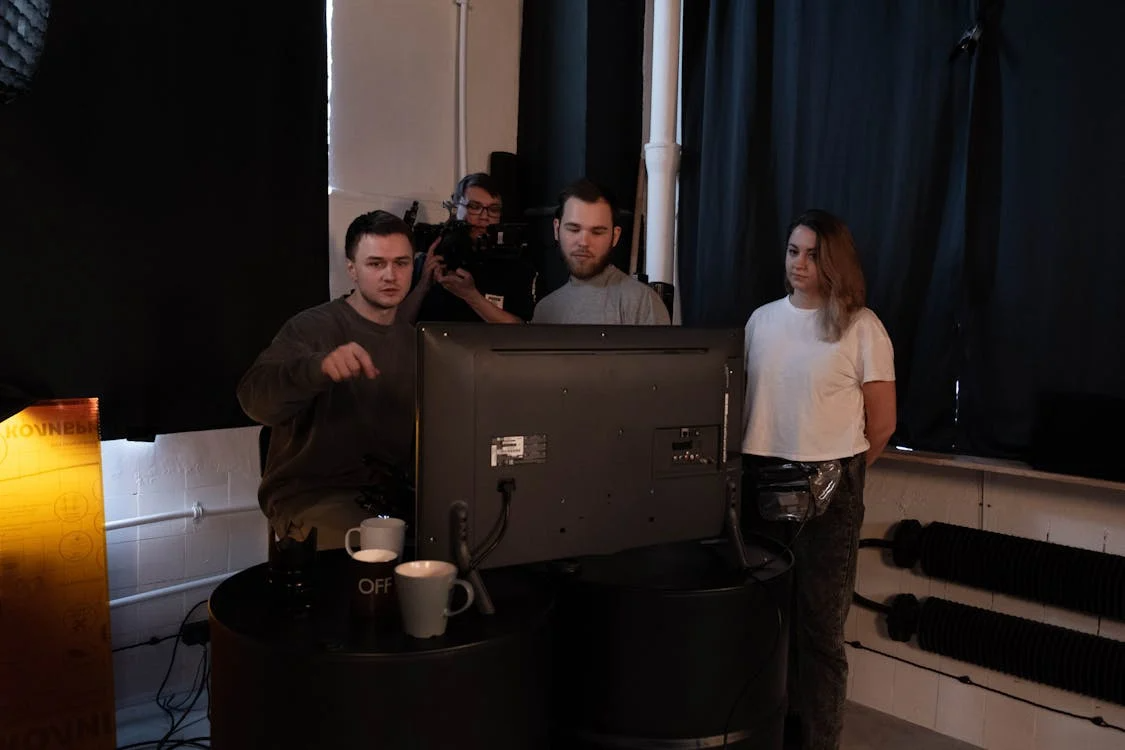
Innovation is essential for creators in storytelling. To stay relevant, one must adapt to new methodologies and leverage technological advancements such as AI and immersive experiences from virtual and augmented reality. The changing expectations of audiences, who now desire personalized content across platforms, further necessitate a rethinking of content delivery. This introduction highlights the importance of embracing technology and understanding audience dynamics to enhance projects and transform storytelling.
Pioneering New Storytelling Paradigms
What stories are you telling, and how are you telling them? The old ways might not cut it anymore. You're the one who can push the boundaries, experiment with narrative structures, and find fresh angles. Think about how you can make your audience feel something new, how you can surprise them. This is where the real magic happens, where you move from just producing content to creating an experience. It’s about being bold and not afraid to try something different. You're not just a producer; you're an artist with a strategic mind, ready to create captivating video content that breaks the mold.
The Marketing Maestro
The importance of creating anticipation and excitement for a product or experience. Rather than simply completing a project, the focus is on crafting a compelling narrative that engages the audience by teasing the story and hinting at its drama. This initial push is vital for drawing viewers in and making them feel invested before the product is launched.
Crafting The Promotional Narrative
To effectively promote a show, it's essential to build anticipation through cohesive marketing materials such as trailers, posters, and social media campaigns that narrate the project's core story. The marketing should align with the show's tone and themes, accurately reflecting its quality and substance, thus enhancing its cultural impact. Remember George Lucas and his gamble on merchandising rights? That was a marketing masterstroke born from understanding how to build a world beyond the screen.
Driving Viewer Engagement
Driving viewer engagement entails maintaining momentum post-show premiere by analyzing audience responses, engaging online, and creating special events. The objective is to build a community around the show, transforming casual viewers into dedicated fans who anticipate new episodes and promote the series.
Here’s a look at how you might break down the engagement strategy:
Social Media Blitz: Targeted campaigns across platforms, using behind-the-scenes content and interactive polls.
Influencer Partnerships: Collaborating with key voices to reach specific demographics.
Community Building: Creating forums or groups where fans can connect and discuss the show.
Data Analysis: Monitoring viewership numbers and social media sentiment to adjust tactics.
The producer's role in marketing is about more than just advertising; it's about building a relationship between the show and its audience, ensuring that the story continues to live and breathe long after the cameras stop rolling.
Want to make your brand shine? We're the experts at crafting amazing stories that grab attention. Let us help you connect with your audience and make your business unforgettable. Visit our website today to see how we can bring your vision to life!
The Producer's Enduring Mark
The role of a producer is pivotal in the television industry, as they navigate the complexities of bringing a vision to life. Their ability to manage chaos and orchestrate various elements is what ultimately leads to a successful show. Despite the challenges and often unrecognized efforts, the producer's influence is profound, leaving a lasting impact on the medium and its audience. Their journey is one of creativity, resilience, and the fulfillment that comes from making the impossible a reality.