
What Makes an Event “Television-Ready”?
Getting your event on television requires more than just a camera and a venue. It involves crafting a compelling narrative that resonates with viewers at home while ensuring that the logistics support effective coverage. This article will guide you through the essential elements that make an event "television-ready," from engaging storytelling to practical considerations for camera work, helping you elevate your event's visibility and appeal.
Key Takeaways
Want your event on TV? Tell a story people at home will care about. Consider what makes your event special beyond the people involved.
Visuals matter. If it looks bad on screen, TV stations may pass. You need visually appealing scenes and action that cameras can capture.
Access and timing are crucial for news crews. They must know what's happening and be able to enter and exit easily. Being available and responsive is crucial.
Building media relationships matters. Be trustworthy, communicate, and act professionally. This increases their likelihood of covering future events.
Consider the broadcast's aftermath. How can you use TV coverage on your website or social media? It can elevate your brand.
Crafting a Compelling Narrative for the Lens
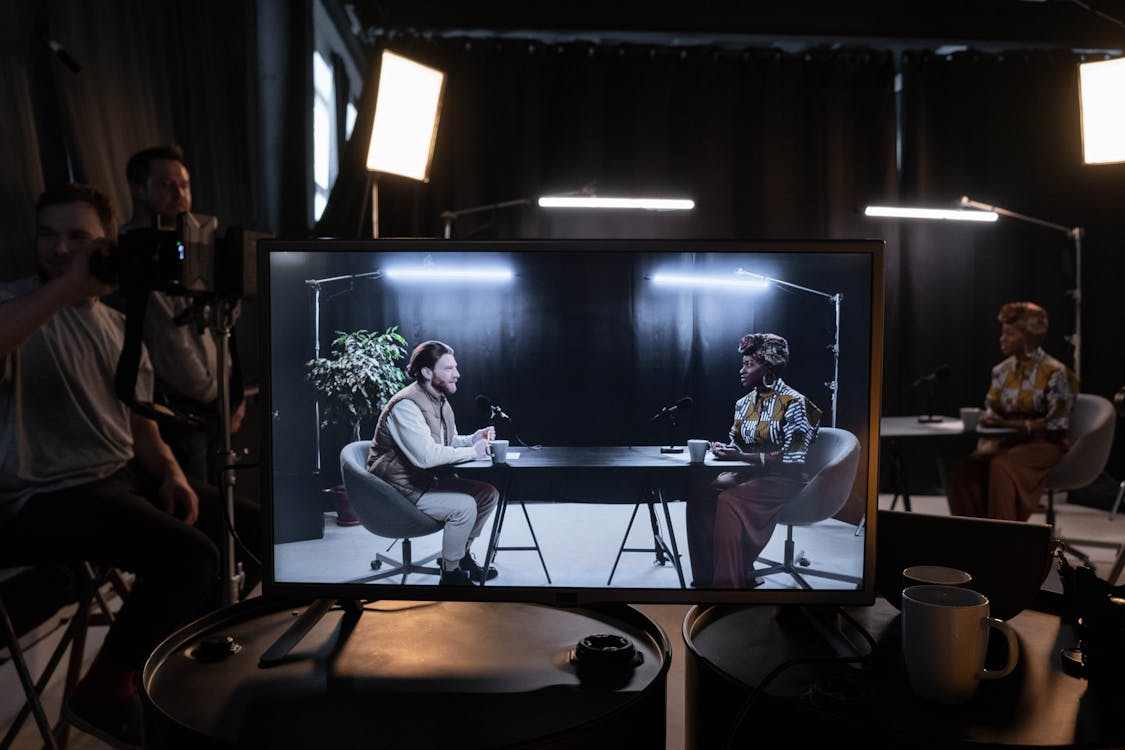
Effectively capturing attention and conveying a strong message during significant events requires crafting a compelling narrative that engages audiences. This involves creating an emotional connection and visual appeal that transcends mere factual presentation. To resonate with broader audiences, it's essential to identify the core story, emphasizing community impact and universal human experiences. Highlighting personal journeys and human interest can draw viewers in, making the narrative relatable. Additionally, translating organizational milestones into viewer benefits is crucial for maintaining interest, ensuring that the story not only informs but also inspires and captivates the audience.
Making Events Camera-Ready
It's essential to view your gathering as a captivating scene poised for visual storytelling. Newsrooms thrive on engaging narratives that resonate on screen, making it crucial to create an event that is not only intriguing but also visually striking. To capture the attention of the assignment desk, focus on delivering compelling imagery that answers key questions: What is happening? Where is it taking place? And why should viewers care at this moment? By emphasizing action, vibrant colors, and the human element, you can ensure your event translates into a dynamic broadcast that captivates audiences.
Ensuring Striking Visuals That Command Attention
When you're planning an event, always ask yourself: what will this look like on television? Assignment editors need to see it before they can send a crew. This means identifying elements that are inherently eye-catching. Think about vibrant colors, large crowds, unique settings, or anything that moves and has energy. A static shot of people listening to a speaker might be important, but it’s not going to grab attention like a live demonstration, a parade, or a moment of genuine human connection.
Action: Is there something happening that’s visually engaging? (e.g., a product launch with a dramatic reveal, athletes competing, volunteers in motion).
Color & Light: Does the event have a visually appealing palette? Is it well-lit, especially if it extends into the evening?
Scale: Is there a sense of size or impact? Large crowds, impressive structures, or expansive settings can be very effective.
Emotion: Are there moments of joy, triumph, or even struggle that a camera can capture?
Remember, news crews are often on tight deadlines. If your event offers immediate, striking visuals, it dramatically increases your chances of getting coverage. Make it easy for them to see the story.
Leveraging Dynamic Backdrops and Action for Impact
Unique locations and dynamic activities can enhance the visual impact of an event. Instead of using a standard room, consider featuring recognizable landmarks or architectural elements that contribute to the narrative. For example, a charity event with a city skyline creates a more compelling story than one in a generic venue. Including active moments like ribbon-cuttings or performances also creates visual anchors that can enhance production segments.
The Art of B-Roll: Capturing Essential Supporting Footage
The importance of B-roll footage for news reporting is highlighted. B-roll serves as supplementary material that enhances storytelling when news crews are unavailable or require additional visuals. To create effective B-roll, it is essential to shoot in landscape mode, maintain steady shots, and include various angles like wide, medium, and close-ups. Key elements to capture include interactions, environmental details, and specific activities. Interviewing key individuals with proper lighting and clear audio is also recommended to support news teams lacking their own footage.
Why You Need Professional Live Event Management Services
Strategic Timing and Access: The Assignment Desk Imperative
Strategic timing plays a pivotal role in capturing the attention of assignment desks, the gatekeepers of newsroom content. These desks prioritize stories that not only hold immediate relevance but also connect emotionally with viewers, often by tying events to local community interests. To successfully engage with assignment desks, it is crucial to anticipate logistical needs, ensure easy access to information, and provide a reliable point of contact. Building strong relationships through immediate responsiveness to queries is essential. Ultimately, effective communication and professionalism are vital, as assignment desks are on the lookout for timely and visually compelling stories that resonate with their audience, creating a mutually
Building Bridges: Cultivating Essential Media Relationships
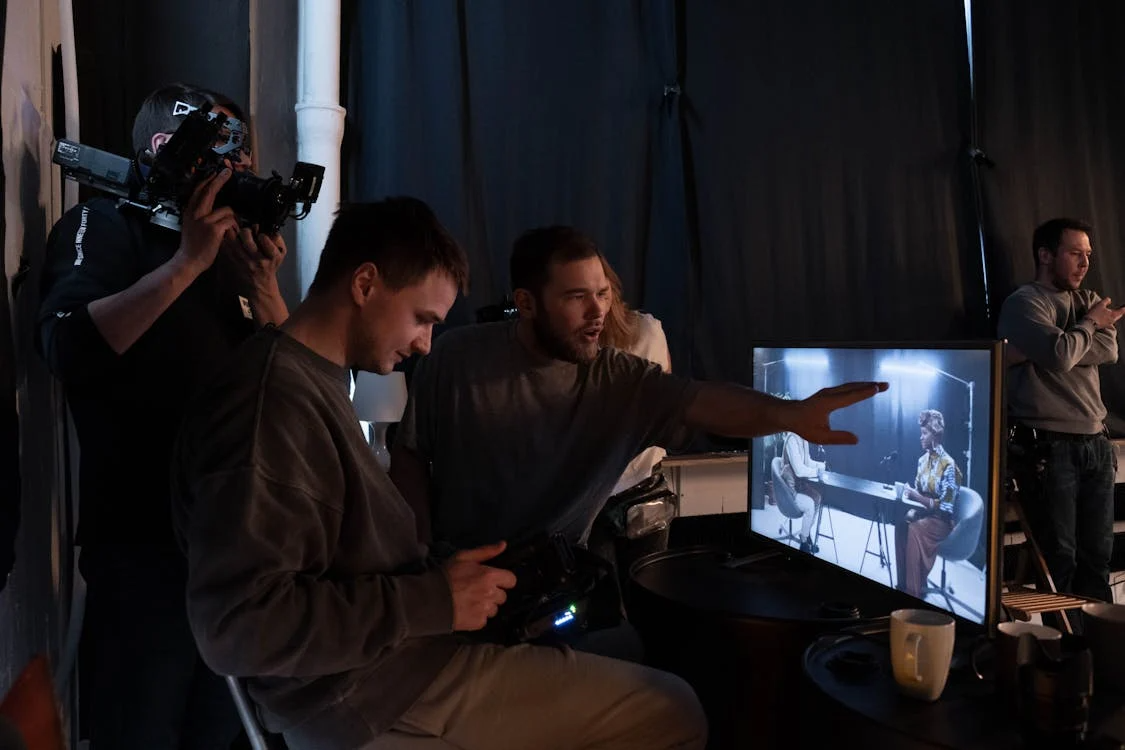
Establish reliability by being honest and delivering on promises, thereby creating a reputation as a trustworthy source. Maintain ongoing communication by sharing industry trends and insights, positioning yourself as a go-to expert. Professionalism is key; every interaction should be efficient and prepared, respecting the deadlines and needs of busy editors and producers. By making their job easier with compelling stories, you can cultivate lasting relationships that benefit both parties.
Beyond the Broadcast: Amplifying Television's Reach
An event's reach can be expanded beyond its initial broadcast. Turning TV coverage into shorter clips for Instagram, TikTok, and YouTube keeps it relevant and visible. This revives previously aired segments for viewers who missed the live event. Featured broadcasts boost brand credibility because TV appearances are trusted. Brands can unify their marketing by incorporating these moments into broader strategies, such as promoting upcoming launches with references to previous coverage. Television coverage should inspire ongoing engagement to maximize its impact.’
Challenges in Television Production and How to Overcome Them
The Technical Blueprint for Broadcast Excellence
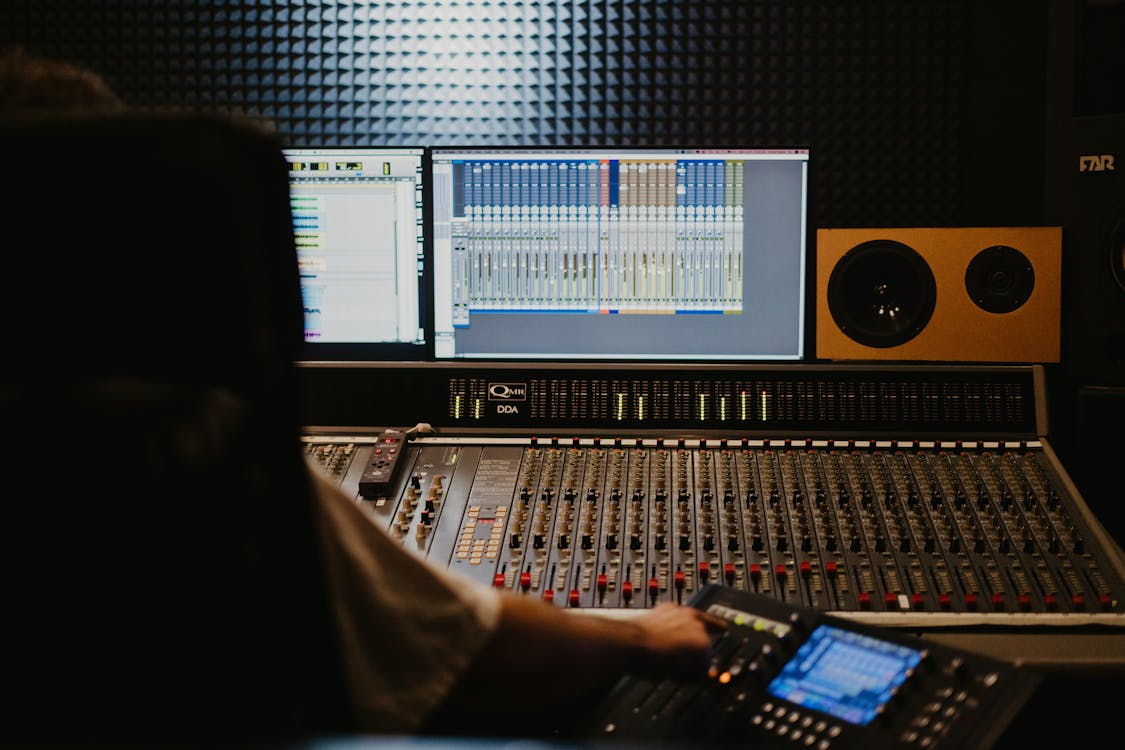
The technical execution behind the scenes is just as important to an event's success as its content. Similar to setting up a stage for a play, the Technical Blueprint for Broadcast Excellence highlights the significance of careful planning and setup. Achieving the best possible audio and visual fidelity is essential if you want your event to captivate viewers. To produce a polished and expert presentation, this calls for careful consideration of camera placement, microphone positioning, and lighting. You can improve the viewing experience and make your event have the same impact on screen as it does in person by giving priority to these technical aspects.
Understanding Production Truck Capabilities and Needs
Those big trucks you see parked outside? They're the mobile control rooms. Inside, a whole team is working to put the show together. They need specific things from you. This includes understanding how many cameras they can handle, what kind of video feeds they need, and what their power requirements are. It’s about making their job easier so they can focus on making your event look great. Think of it as giving them the best ingredients to cook with.
Preparing for Live Broadcasts and Remote Connectivity
Live broadcasts require thorough preparation, focusing on reliable internet speed and technical access for a smooth signal transmission. It's essential to ensure remote guests have stable connections to avoid disruptions. Effective communication with the broadcast team is key, as early planning can significantly enhance the professionalism of the event.
Want to know how we make broadcast magic happen? Dive into the details of our setup and see how we achieve top-notch quality. It's all about the smart choices we make behind the scenes. Ready to see the inner workings? Visit our website to explore the technical side of broadcast excellence.
The Final Cut
Creating a successful event for broadcast involves more than just planning; it requires a keen understanding of visual storytelling and audience engagement. By focusing on impactful moments, strategic angles, and the right people, you can transform an ordinary event into a captivating experience that resonates with viewers. Embrace the challenge and strive to produce content that not only captures attention but also fosters a genuine connection. Go forth and create something truly remarkable.