
Entertainment Production Trends: What's Changing in 2026
Production looks different than it did just a few years ago. The tools have evolved, the audiences have changed, and frankly, what people expect from a production company has shifted too. Whether you're planning a live event, developing a TV concept, or building out a content strategy, the rules of the game in 2026 are worth paying attention to. The media trends that will redefine entertainment in 2026 point to a landscape that rewards flexibility, creativity, and a real understanding of your audience.
Key Takeaways
Hybrid events have become a standard production format, not a temporary workaround.
AI is being integrated into production workflows, but creative direction still comes from people.
Audiences now expect personalized, platform-specific content rather than repurposed cuts.
Non-fiction and documentary formats are outperforming scripted content on several major platforms.
Live events are evolving into multi-platform experiences designed for both in-room and online audiences.
The Shift Toward Hybrid Formats
Live events didn't just survive the disruption of the past few years. They adapted, and in doing so, have evolved into something more versatile. Today, hybrid events are no longer the backup plan. They are the plan. Productions are being designed from the start to serve two audiences simultaneously: the people in the room and the viewers watching from everywhere else.
This isn't just a technical consideration. It changes the way a show is staged, how content is paced, and how engagement is measured. A live awards show in 2026, for example, needs to feel like a real event to the people in the seats while also holding the attention of a remote viewer who has a dozen other tabs open. That's a different kind of creative challenge, and it's one the industry has gotten much better at solving.
Behind the Scenes of Award Show Production What It Really Takes
AI in the Production Workflow
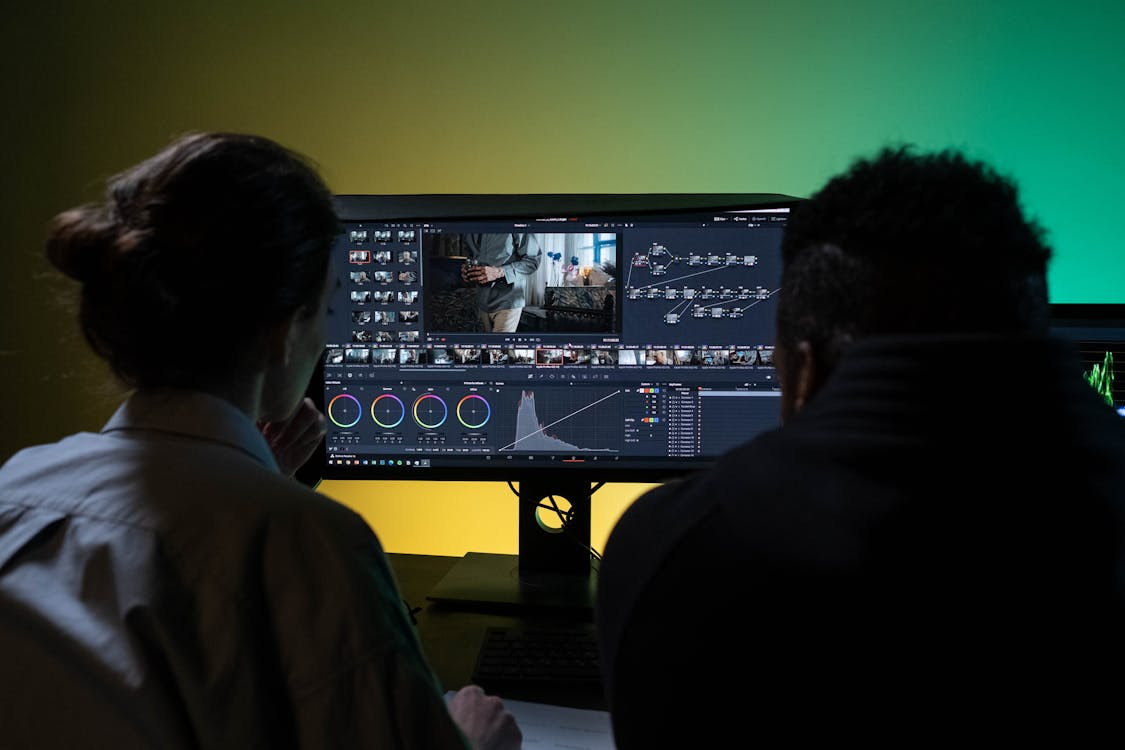
AI in entertainment production has moved past the hype phase. It's now embedded in day-to-day workflows, from editing and color grading to script analysis and audience data modeling. Production companies are using AI to work faster and make smarter decisions, not to replace the creative people who drive the work.
That distinction matters. Audiences are smart enough to notice when something feels generated versus when it feels made. The productions earning attention right now are the ones using AI as a production tool while keeping the storytelling firmly human. What AI does well is pattern recognition and repetitive tasks. What it can't replace is the instinct to know which story is worth telling and how to tell it in a way that moves people.
If you're producing something this year, explore how Homerun Entertainment approaches live event and award show production to get a sense of what end-to-end creative execution actually looks like.
How Event Production Companies Work Behind the Scenes
Non-Fiction Is Having a Moment
The appetite for real stories isn't slowing down. Documentaries, docuseries, and reality formats are consistently among the top-performing content on streaming platforms. According to predictions for Hollywood in 2026, non-fiction programming is expected to continue gaining market share, partly because it tends to cost less to produce, and partly because it connects with audiences in a way scripted content often can’t.
For production companies with deep experience in non-fiction, this is a meaningful shift. It opens up opportunities to tell the kinds of stories that have always mattered: accounts of communities, causes, and people doing remarkable things. The production challenge is bringing enough craft to the work that the real story lands the way it deserves to.
Strong television production in this space means more than just pointing a camera at something interesting. It means knowing how to structure a narrative arc, build trust with the people you're filming, and shape raw footage into something that respects both the subject and the audience.
Platform-Specific Content Is Now the Baseline
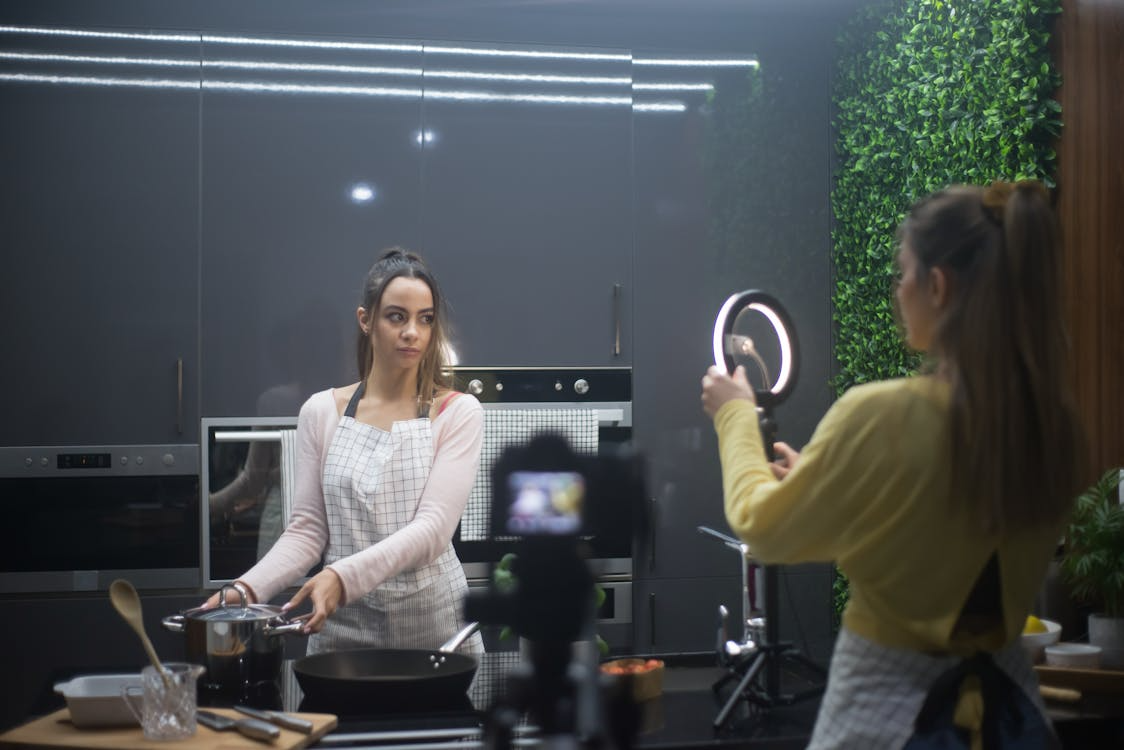
The era of repurposing one video across every channel is basically over. Audiences on TikTok, YouTube, Instagram, and streaming platforms all have different habits, different attention spans, and different expectations for what good content looks like. A brand video that works beautifully as a two-minute YouTube piece might completely lose its impact when cropped to vertical and posted to a social platform.
This is where digital content creation has gotten more specialized. Production teams now plan for format diversity from the very beginning of a project, thinking about aspect ratios, run times, pacing, and even how a thumbnail will read before the first frame is shot. It's more complex, but it results in content that actually performs where it's published.
Cause-Driven Content Is More Effective Than Ever
Audiences are paying attention to what brands and organizations stand for, not just what they produce. For non-profits, causes, and mission-driven organizations, this creates a real opportunity. Content that authentically communicates purpose tends to outperform content that's purely promotional, and that gap has widened as audiences have become more attuned to the difference.
Productions built around cause-driven storytelling benefit from the same craftsmanship as any other format. The emotional truth of the work has to be earned through how the story is told, not just through the virtue of the cause itself. Getting that right takes experience.
If you're ready to move your next project forward, reach out to the Homerun Entertainment team to talk through your production goals.
What This Means for Production in Practice
None of these trends exist in isolation. A live fundraiser now needs to be designed as a hybrid event, filmed with platform-specific distribution in mind, built around an authentic story, and executed with the kind of production quality that holds up on every screen. That's a lot of moving pieces, and it's exactly why the gap between a competent production and a great one has never been more visible.
The entertainment production trends shaping 2026 are pushing the industry toward more intentional, more flexible, and more audience-centered work. The companies keeping up are the ones that have always cared about the craft, and have built teams that can adapt without losing what makes their work worth watching.
Whether you're building a brand campaign, launching a fundraiser, or developing a TV concept, the fundamentals haven't changed: tell a real story, tell it well, and make sure it reaches the right people in the right way. Everything else is just the method.