
Event Production vs Event Planning: What’s the Difference?
If you’ve ever tried to hire someone to help with an event and ended up confused by all the different titles floating around, you’re not alone. Event production and event planning are often used interchangeably, but they actually describe two very different things. Knowing which experts you need, and when you might need both, can save you a lot of time, money, and stress.
Key Takeaways
Event planning focuses on logistics, coordination, and guest experience from the ground up.
Event production handles the technical execution: staging, lighting, audio, video, and live broadcast elements.
Most large-scale events require both a planner and a production team working together.
The line between the two roles often blurs for hybrid and virtual events, where tech and design experience are equally important.
Hiring the wrong type of professional for your event can lead to gaps in execution that are hard to fix on the day itself.
What Is Event Planning?
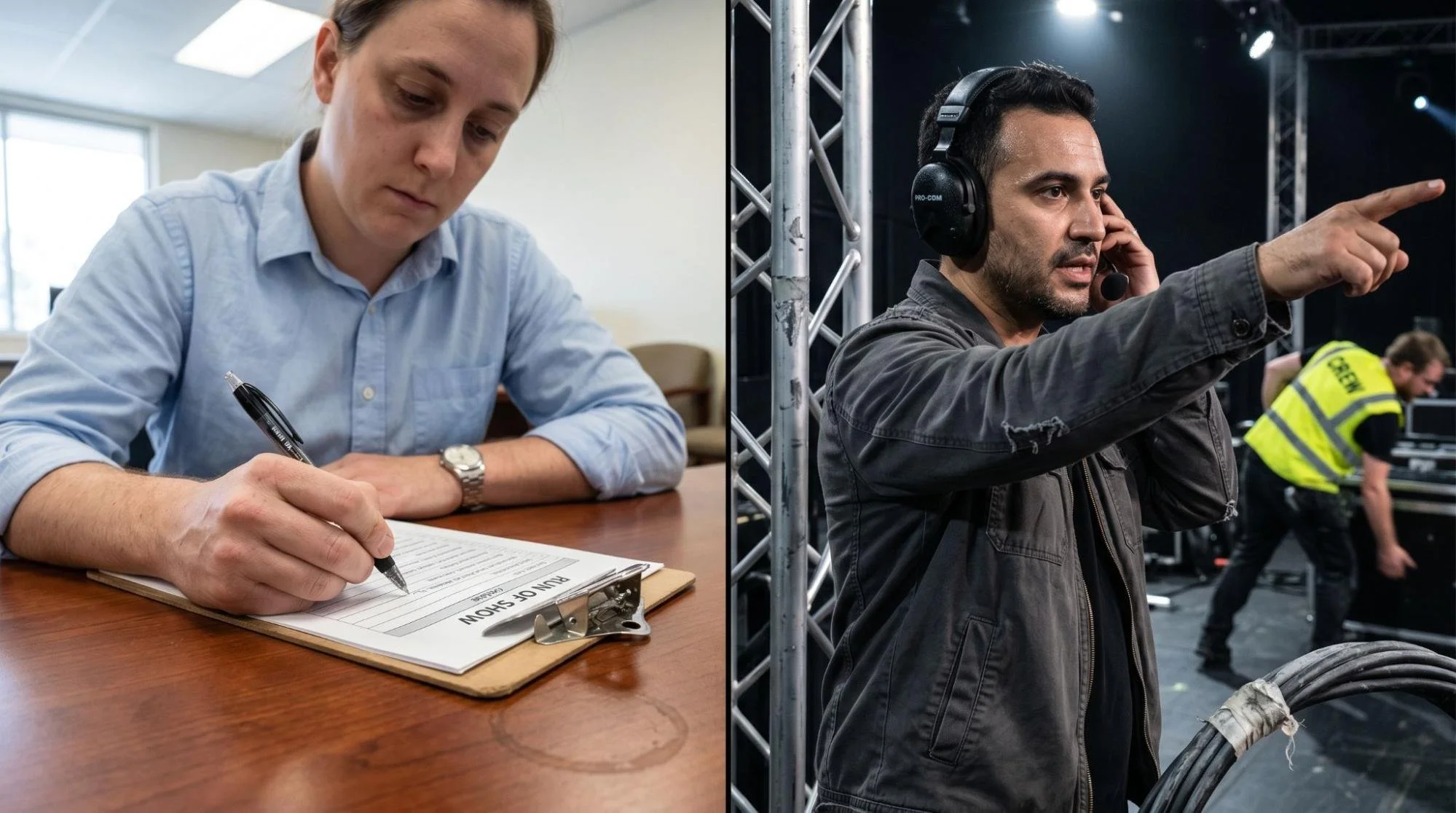
Event planning is the process of organizing all the moving parts that make an event happen. A planner handles the big picture: venue selection, vendor coordination, catering, guest lists, timelines, and budgets. They’re the person making sure the flowers arrive before the guests do, and that the catering staff knows where to set up. Successful professional event planning often comes down to the planner’s ability to anticipate problems before they happen, and keep all the pieces moving smoothly toward a single goal.
Event planners tend to be strong project managers and communicators. They work closely with clients from the early stages, often months before the event date, to establish goals, set expectations, and build realistic plans. On the day of the event, they’re usually the ones running point, making sure everyone knows where they need to be and when.
Common events that lean heavily on planning include corporate galas, fundraisers, weddings, conferences, and community gatherings. The scale can vary from an intimate dinner for twenty to a multi-day convention for thousands, but the core skill set stays the same: organization, attention to detail, and the ability to manage a lot of people at once.
Hybrid Events Explained: Combining In-Person and Virtual Experiences
What Is Event Production?
Event production is where the technical side of an event comes to life. While planners focus on logistics, producers focus on the experience itself: the stage design, lighting rigs, sound systems, video walls, live streaming infrastructure, and the creative direction that ties it all together. Event production is less about timelines and guest lists and more about what the audience actually sees, hears, and feels when they walk through the door.
Producers work with specialized crews, equipment vendors, and creative directors to design and execute the technical elements of an event. They’re thinking about things like sight lines, speaker placement, broadcast quality, and how the lighting will look on camera. For larger productions, they often also oversee rehearsals, create technical run-of-show documents, and manage on-site crews during the event itself.
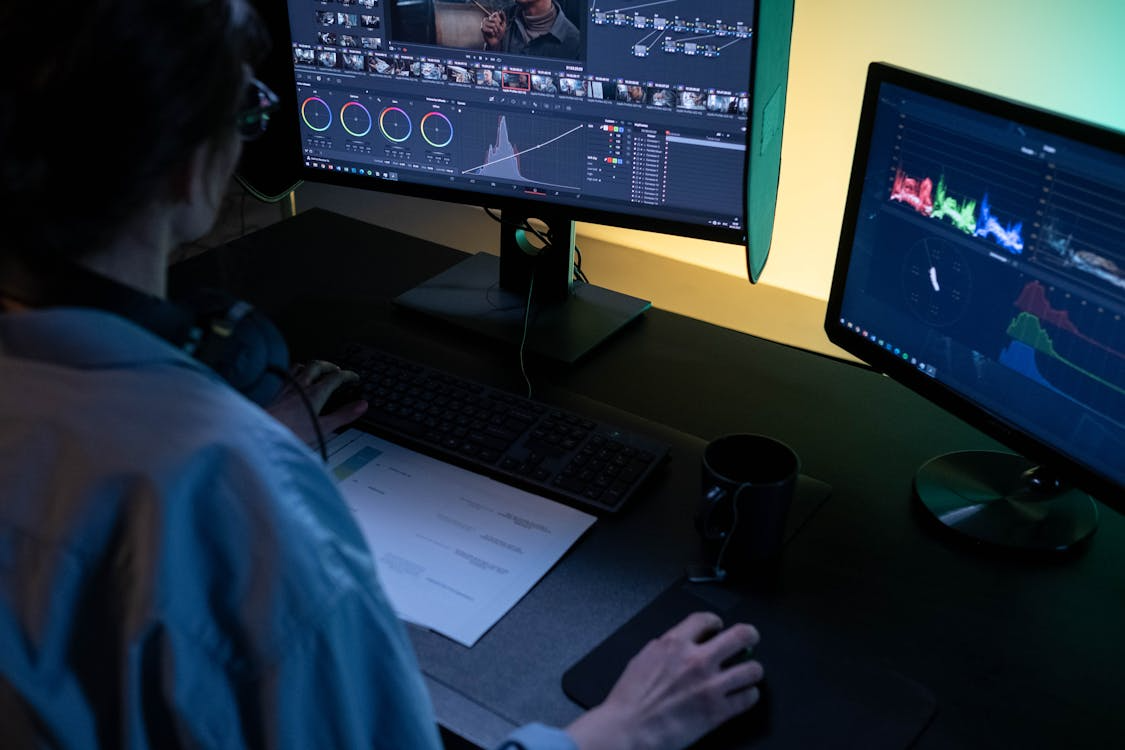
The role of live event producers has expanded significantly with the rise of hybrid and virtual events. Today, a production team isn’t just setting up a stage; they’re often managing multiple camera feeds, live stream platforms, real-time graphics, and audience engagement tools at the same time.
If your event involves any kind of broadcast, award presentation, or large-scale stage experience, a dedicated Homerun Entertainment live event production team can handle the technical complexity so your vision actually translates on the day.
Where the Two Roles Overlap
In practice, the line between planning and production gets blurry pretty quickly. A good event management approach usually involves both disciplines working in tandem. The planner manages the logistics and client relationships, while the production team focuses on technical execution. When they communicate well, the result is seamless. When they don’t, you end up with a beautiful venue and a sound system nobody thought to test.
For smaller events, one person or one company might handle both roles. A boutique event firm might offer end-to-end services that include everything from venue sourcing to AV setup. For larger events, especially award shows, live galas, or fundraising campaigns with broadcast components, the two teams are almost always separate. Both are essential.
The Difference Between Social Media Video and Broadcast Video
Key Differences at a Glance
Here’s a quick breakdown to help clarify where each role begins and ends:
Event Planning
Venue selection and coordination
Vendor management: catering, florals, transportation
Guest list, invitations, and RSVP tracking
Budget management and timeline creation
On-site coordination on the day of the event
Event Production
Stage design and set construction
Audio, lighting, and video systems
Live streaming and broadcast infrastructure
Creative direction and technical run-of-show
On-site crew management and equipment oversight
Which Do You Actually Need?
The honest answer is: it depends on your event. If you’re organizing a company retreat or a small fundraising dinner, an event planner is probably your primary hire. If you’re producing an awards ceremony, a live brand activation, or a hybrid conference that’s being streamed to a global audience, you need both. And those two teams need to be on the same page from day one.
Companies like Homerun Entertainment specialize in hybrid and live event management, which means they bring production expertise and event experience under the same roof. That’s particularly useful when you’re dealing with complex events where the technical and logistical sides are deeply intertwined. You don’t want to be the one coordinating between a planner and a production crew who have never worked together before.
Understanding how event production companies work behind the scenes can also help you ask better questions when you’re vetting vendors. The more clearly you understand what each role covers, the easier it is to build a team that actually delivers what you need.
When you’re ready to move forward, reach out to the Homerun Entertainment team to talk through what your event needs and how they can help bring it together from concept to final bow.
The Bottom Line
Event planning and event production are complementary skills, not interchangeable ones. Planners build the structure. Producers bring it to life. For any event where the audience experience matters, you need both working well together. The more complex the event, the more important it is to know what each team is responsible for before the first meeting. Getting that clarity early is what separates a well-executed event from one that almost worked.