
Behind the Scenes of a Full-Service Event Production Company
Successful, seamless events aren't magic; they result from a full-service production company's disciplined, behind-the-scenes coordination. From technical cues to the run-of-show, every detail is meticulously managed. Grasping this complex process empowers organizers to choose the right partner for their high-stakes moments.
Key Takeaways
A full-service event production company handles everything from concept development to day-of execution, not just the technical setup.
Pre-production planning, including logistics, scripting, and vendor coordination is where most of the real work happens.
Hybrid and live event management requires a different skill set than virtual-only production, especially for large-scale gatherings.
Production companies with TV and digital experience bring storytelling instincts that elevate live events beyond just logistics.
Choosing a team with deep experience in your event type, whether a fundraiser, award show, or brand activation, makes a measurable difference.
What Full-Service Actually Means
The phrase full-service event production gets thrown around a lot, but it doesn't mean the same thing everywhere. Interpretations of "full-service" vary, from basic AV and staging to managing the entire event lifecycle including creative concepting, scripting, talent coordination, and post-event content. This distinction is critical for high-stakes events.
True full-service partners guide the process from initial planning to final wrap, focusing on the narrative arc rather than just technical setup. Live event producers at this level think in terms of story: what's the experience you want the audience to walk away with, and how does every single element on stage contribute to that?
Pre-Production: Where the Real Work Starts
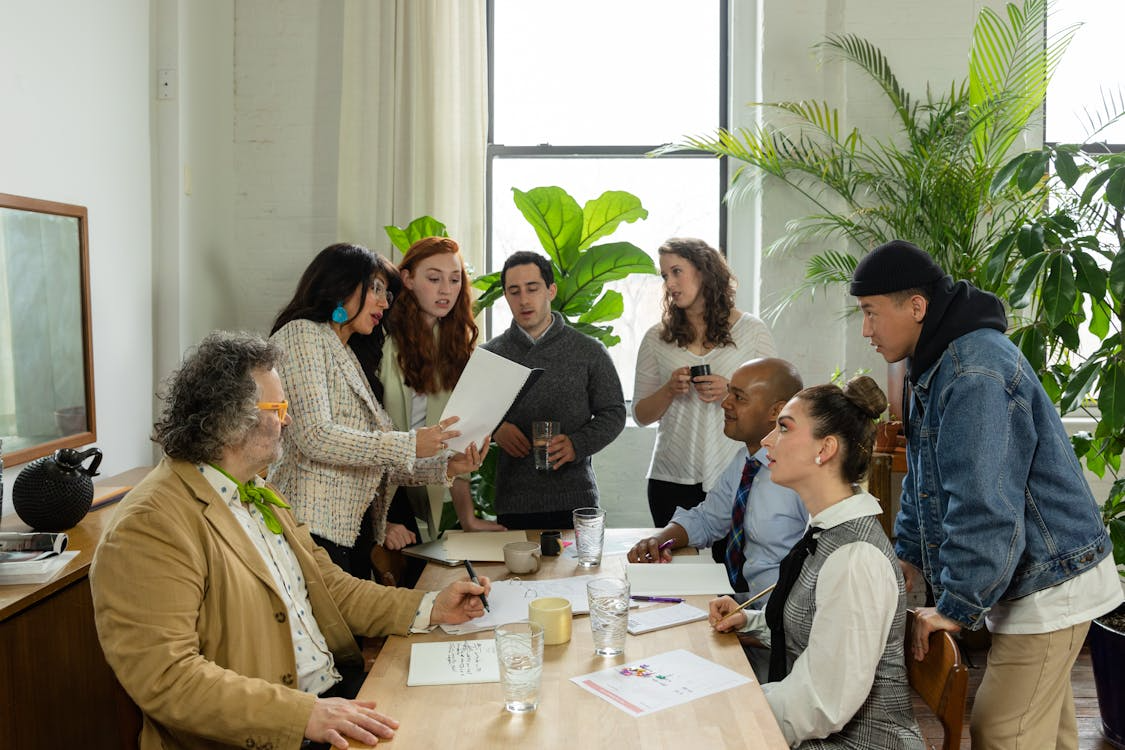
Most people underestimate how much time goes into events before they begin. The event production process is front-loaded by design. By the time your audience arrives, every contingency has already been planned for, tested, and revised.
Pre-production involves diverse tasks. Early script and run-of-show development align the MC and AV crew. Venue walkthroughs identify sight lines, power access, and structural constraints. Logistics like vendor contracts, schedules, and backup plans are finalized before travel.
For branded events, this phase includes creating visual identities like stage design, signage, and graphics. Companies managing digital content can maintain brand consistency from the live stage through post-event social clips.
How Event Production Companies Work Behind the Scenes
The Day-Of Operation
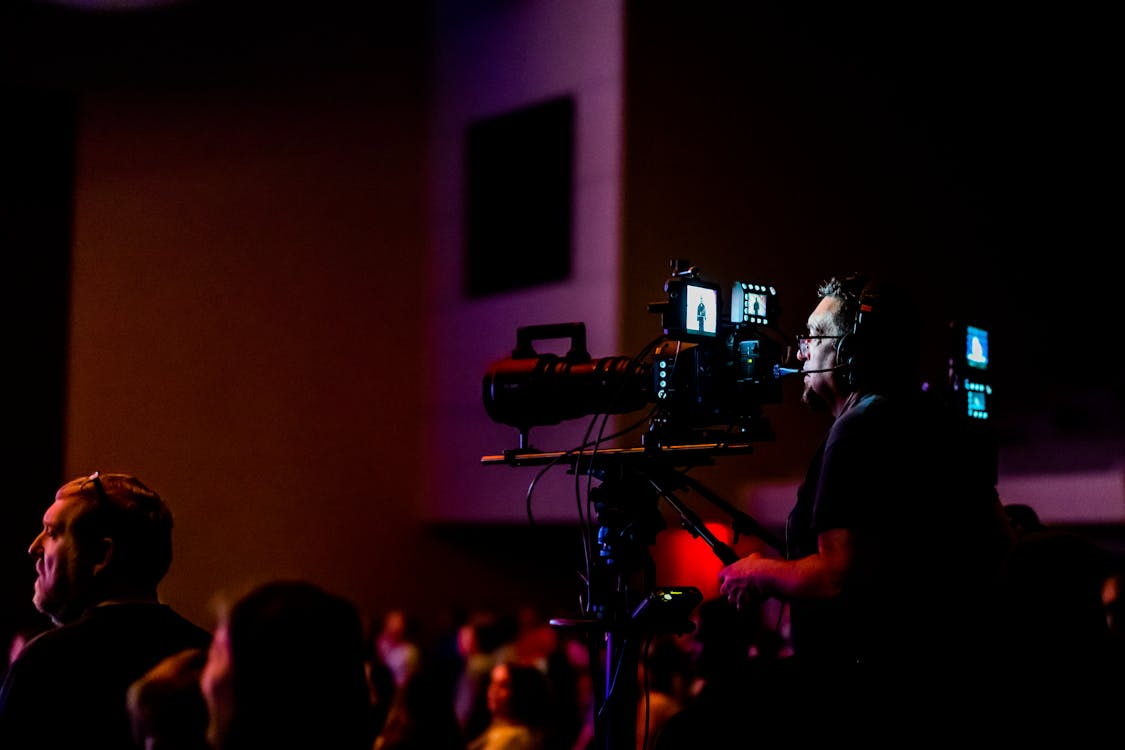
The day of the event is where preparation either pays off or falls apart. A good production company runs a tight call sheet, communicates across every department through earpieces and stage managers, and stays calm when things shift. Because something always does. The behind-the-scenes of live event production involves constant real-time decision making: a speaker runs long, a technical cue needs to be adjusted, a segment gets cut. The team has to adapt without the audience ever noticing.
Stage management is its own specialty. A good stage manager is essentially an air traffic controller for the entire event. They're tracking where every person and element needs to be at any given moment, and making sure the show stays on time and on track. Behind them is a technical director managing the board, a lighting designer calling cues, and an audio engineer monitoring every mic on the floor.
If you're planning a fundraiser, gala, or awards ceremony, the team behind live events and award shows at Homerun Entertainment has the experience to produce the kind of show your audience will remember.
Hybrid Events Add a Layer of Complexity
Running an event for a room full of people is complex enough. Add a virtual audience streaming live from anywhere in the world, and the production demands increase significantly. Hybrid and live event management requires two parallel productions running simultaneously: one for the in-person experience and one optimized for the screen. Camera angles, stream encoding, audience interaction tools, and platform stability all become critical considerations.
Productions that come from a TV and digital content background are naturally suited for this kind of work. They know how to frame a shot for the screen, how to pace programming to hold a remote audience's attention, and how to build in moments that feel inclusive whether you're in the room or watching from another country.
Behind the Scenes of Award Show Production What It Really Takes
What Sets an Experienced Production Company Apart
An experienced production company does more than rent equipment; they utilize expertise from non-fiction TV, fundraisers, and brand events to navigate diverse contexts. They effectively manage schedules, support speakers, and quickly resolve venue surprises through established vendor networks.
For non-profits, this partnership is vital. Expertise in emotional storytelling transforms ambitious goals into events that truly move audiences and drive results.
To explore what's possible for your next production, the digital content creation capabilities at Homerun Entertainment extend far beyond the stage, helping brands translate their live moments into lasting digital content.
Choosing the Right Partner
Production needs vary by event scale, but a quality partner always provides proactive solutions and expert confidence. Select a company with a portfolio relevant to your specific event type. True expertise combines industry experience, creative vision, and logistical precision into a single package.
The Invisible Work That Makes It Look Easy
The best events feel effortless from the audience's perspective. The transitions are smooth, the audio is clear, the speakers seem at ease, and the whole evening flows naturally from one moment to the next. That feeling doesn't happen by accident. It's the result of a production team that spent weeks preparing for exactly this night, then stayed flexible enough to handle whatever the night decided to throw at them.
That's what full-service event production really means. It's not just the equipment or the crew. It's the planning, the storytelling instincts, the creative problem-solving, and the experience to know when to follow the plan and when to improvise. When those things come together, every event has the potential to be a homerun.