
How Event Production Impacts Audience Engagement
Event production is one of those things people don't fully notice until something goes wrong. When it works, the audience is absorbed. They feel the energy, follow the story, and leave with something real. That's not accidental. Good event production is the engine behind audience engagement, and the two are far more connected than most organizers realize.
Key Takeaways
Production quality directly shapes how emotionally invested an audience becomes.
Technical elements like lighting, sound, and staging set the tone before anyone speaks a word.
Hybrid events require intentional planning for both in-person and remote audiences.
Engagement metrics give producers the data they need to improve every future event.
Storytelling built into production turns passive viewers into active participants.
What Event Production Actually Covers
It's easy to think of event production as just the logistics behind a show, but it's much broader than that. Production covers everything from the initial creative concept to the final curtain call, including venue coordination, audiovisual setup, lighting design, stage management, and the technical infrastructure that holds it all together. Each of these pieces feeds into how an audience feels throughout the experience.
When those pieces align, the result is an event that feels effortless to attend. The impact of production quality on attendee satisfaction is measurable: audiences consistently rate well-produced events higher and are more likely to return. Poor audio, harsh lighting, or clunky transitions break immersion fast, and once you lose an audience, it's hard to get them back.
The Key Elements of Successful Live Event Management
The Link Between Production and Emotional Engagement
Audiences engage emotionally before they engage intellectually. The way an event sounds, looks, and feels in the first few minutes sets the tone for everything that follows. A well-designed entrance, a compelling opening video, or a striking stage setup signals that what's coming is worth paying attention to. And that signal matters more than most people give it credit for.
Reviewing event production and audience engagement metrics shows that early production choices directly influence how long audiences stay focused and how much they retain. Storytelling is the thread that connects it all. The most effective events build a narrative arc, with a beginning that sets context, a middle that builds momentum, and an end that gives people something to carry forward. The role of media entertainment in modern storytelling is central to this: integrating video, music, pacing, and visuals into a cohesive arc transforms an event from a schedule into an experience.
Whether you're planning a fundraising gala, brand activation, or hybrid summit, partnering with Homerun Entertainment's live event production team gives you the expertise to build an event that's designed for engagement from the start.
Three Technical Elements That Shape the Experience
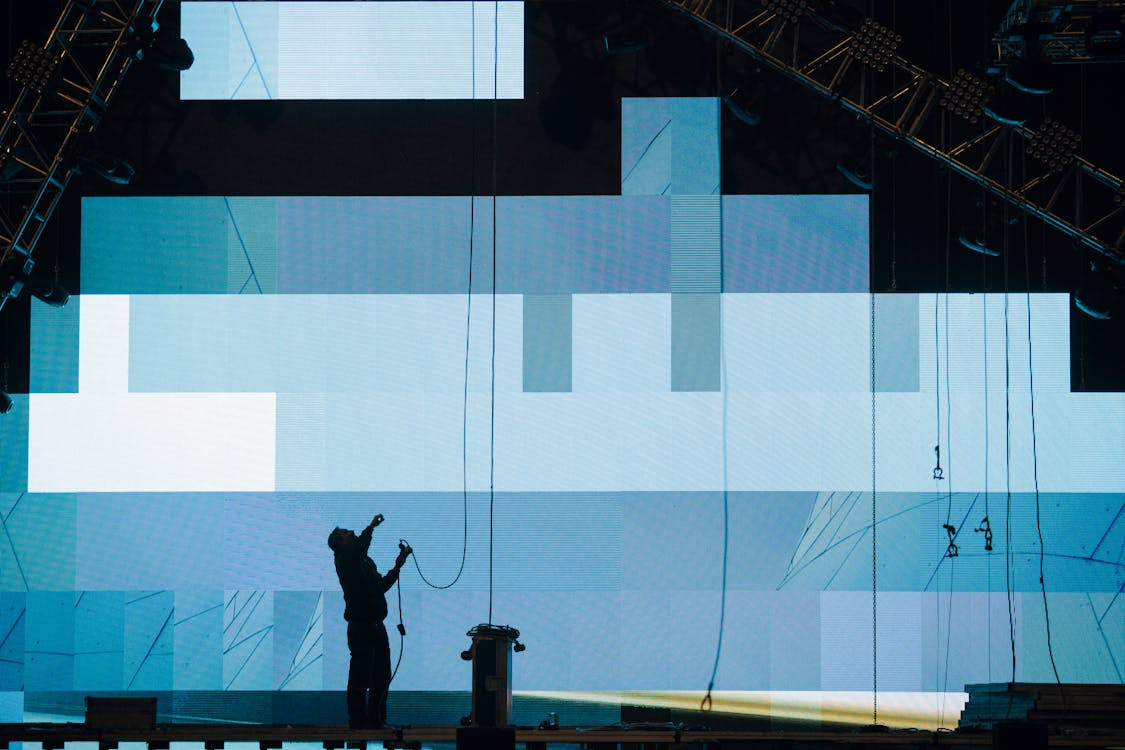
Production decisions in three key areas tend to have the biggest impact on how an audience responds. Getting these right doesn't just improve the look of an event. It changes how people feel while they're there.
Audio and sound design. Clear, consistent sound keeps audiences in the moment. Layered audio, from background music to spatial effects for hybrid formats, adds depth that audiences feel even if they can't name it. Poor audio is disruptive immediately and hard to recover from.
Lighting and visual design. Lighting directs attention, creates mood, and signals transitions. Dynamic lighting that shifts with the program guides audiences through the emotional beats of an event. For hybrid formats, lighting also needs to translate well on camera, not just in the room.
Stage and environment design. The physical space tells its own story before anyone says a word. A stage that reflects the event's theme or brand primes audiences to engage. The key elements of successful live event management consistently list environment design as a core driver of attendee experience.
How to Tailor Content Creation for Your Audience's Needs
Hybrid Events: Serving Two Audiences at Once
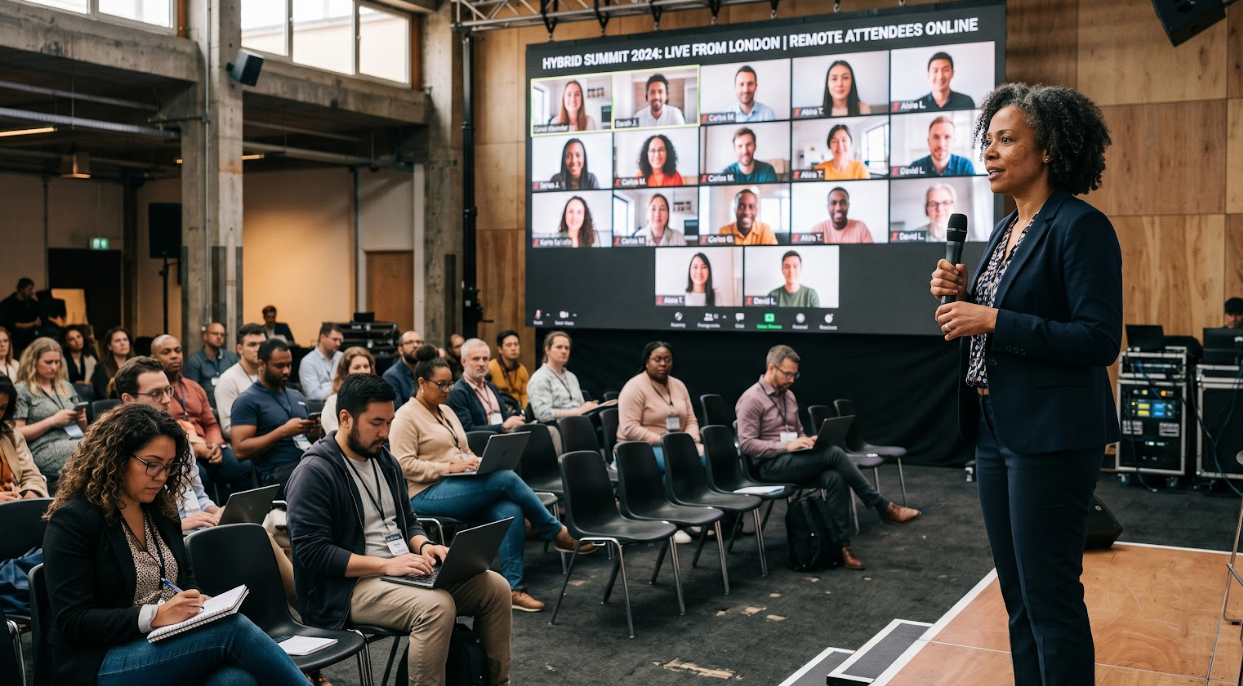
Hybrid events have added real complexity to production. In-person and remote audiences have different needs, and productions that prioritize one tend to lose the other. A remote attendee watching a panel needs clear camera angles, stable streaming, and ways to participate. An in-person attendee needs an environment that doesn't feel like it's been compromised for the camera.
The best hybrid productions build parallel experiences that feel equally intentional. That means planning for both audiences from day one, not adapting after the fact. Knowing how to tailor content creation for your audience's needs is what separates a hybrid event that works from one that just livestreams a room.
Measuring Engagement After the Event
Engagement isn't just a feeling. It's trackable. For live events, you can gauge response through Q&A participation, dwell time in different areas, and post-event surveys. For virtual and hybrid formats, the data gets richer: watch time, poll responses, chat activity, and replay rates all tell you how well your production choices landed. Live events engagement statistics show that events with stronger production values consistently outperform those that treat production as secondary.
Tracking this over time builds a feedback loop that makes every event better. Producers who treat engagement data seriously don't just aim for a good show. They analyze what worked, spot what fell flat, and refine from there.
If you're ready to build events that genuinely connect, get in touch with the Homerun Entertainment team to start planning a production built around engagement from the ground up.
The Bottom Line
Audience engagement doesn't happen without strong production behind it. Every technical decision and creative choice either adds to or subtracts from how fully an audience shows up. The events people remember long after they're over are almost always the ones where production and engagement were treated as one thing, not two. That's the standard worth aiming for.