
How Event Production Companies Plan Large-Scale Events
There's a reason large-scale events look effortless from the audience's perspective. Behind every seamless production is a team that spent weeks, sometimes months, laying groundwork most people never see. Event production companies do far more than set up stages and plug in microphones. They coordinate a web of moving parts, including venues, vendors, technology, talent, and timelines, to create experiences that hit their mark every single time.
Key Takeaways
Large-scale events require a structured planning process that begins months before the event date.
Production companies divide complex events into phases to manage resources, timelines, and risk.
Venue selection, vendor coordination, and technical logistics are critical factors in every large event.
Audience experience drives every creative and logistical decision, from staging to flow management.
Hiring an experienced production team significantly reduces the risk of costly on-site problems.
It Starts Long Before the Event Date
Most people assume event planning kicks into gear a few weeks out. In reality, a well-run production company starts its process much earlier, sometimes six to twelve months in advance for major events. The first stage is almost always a deep-dive into what the client actually needs, not just what they think they want. That means defining the event's purpose, understanding the audience, setting a realistic budget, and identifying non-negotiables.
From there, the team builds a master timeline. This isn't just a calendar with dates, it's a living document that tracks every task, deliverable, and decision point from the first vendor call to the final load-out. Understanding planning timelines for major events is one of the clearest ways to tell an experienced production company from one that's winging it.
Venue Selection Is More Strategic Than You Think
Choosing a venue isn’t just about size or looks. A good production team checks load-in access, ceiling height, power, acoustics, ADA compliance, and whether the space can support the event’s design. Site visits are a must because issues found early are easy to fix, while the same problems discovered on event day can disrupt the whole production.
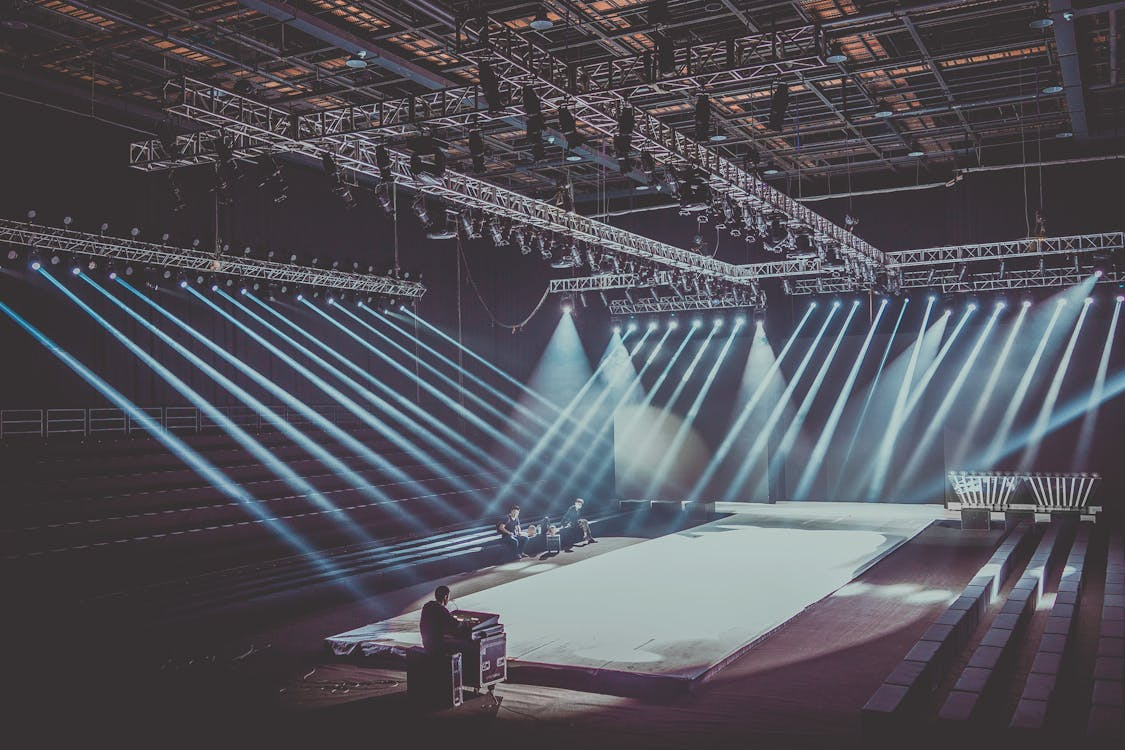
Behind the Scenes of a Full-Service Event Production Company
How the Planning Process Actually Works
Once the venue is locked, production companies move into execution mode. This is where large-scale event planning gets granular. The team builds out responsibilities, sets deadlines, and locks in vendors, including staging, caterers, security firms, A/V specialists, and more. Managing these simultaneous relationships is a core skill that separates a strong production company from a less experienced one.
A production company typically works through several key phases when managing a large event:
1. Concept and Scope Development
This is where the team pins down the event's goals, budget parameters, and overall vision. Deliverables at this stage include a creative brief, a preliminary budget, and a confirmed timeline.
2. Vendor Contracting and Logistics
Every third-party vendor gets a contract, a production schedule, and a clear point of contact. This phase includes finalizing the venue contract, booking A/V and staging, securing permits, and confirming insurance coverage.
3. Technical Design and Rehearsals
The production team works with designers and technicians to create the event's physical layout, lighting plot, and sound design. For larger events, this phase includes walk-throughs, dress rehearsals, and detailed run-of-show documents.
4. On-Site Execution
Load-in begins well ahead of the event, sometimes days before. The team oversees installation, runs technical checks, manages the crew, and coordinates all moving parts. A dedicated production manager is typically on-site for the full duration.
5. Strike and Wrap
Once the event ends, the work isn't over. Strike involves breaking down all equipment, clearing the venue, and managing the logistics of returning or storing gear. Good production companies also conduct post-event debriefs to document what worked and what needs to improve.
If you're planning a large event and want to understand how professional production teams approach the process, the live event producers at Homerun Entertainment bring decades of hands-on experience to every project.
Managing People, Not Just Logistics
People management often gets overlooked in production planning, but large events need clear direction for crew, volunteers, vendors, and on-site staff. Strong production teams use daily briefings, call sheets, radios, and clear escalation plans, while also planning audience flow, entrances, lines, medical issues, weather delays, and other problems before they happen.
Technology Is a Core Part of the Plan
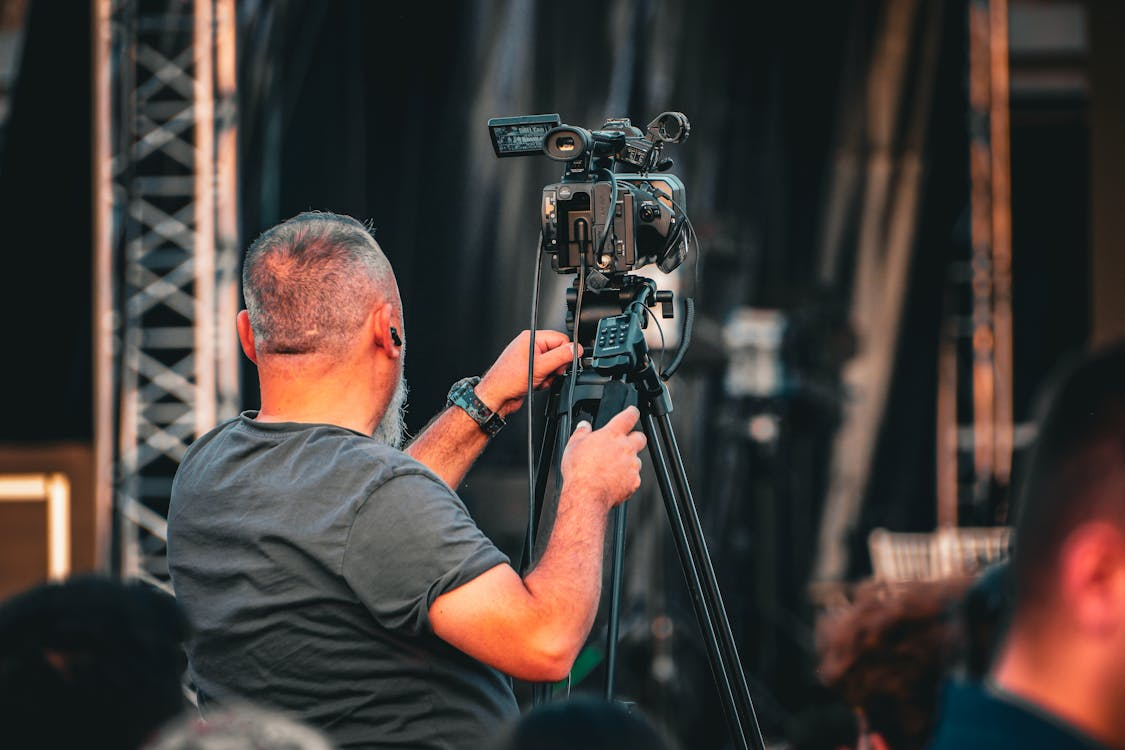
Modern event production uses more tech than most clients see, from software that tracks tasks, budgets, and vendors to event apps, registration tools, and programmed lighting or A/V systems. Hybrid events add even more complexity because the team has to manage both the in-person and virtual experience.
Full-service companies don’t just rent gear; they provide expert technicians to troubleshoot and adapt in real time. Partnering with a full-service event production company ensures you have an experienced team capable of handling any unexpected challenges.
Event Production vs Event Planning: What's the Difference
What Makes or Breaks a Large Event
Most event failures stem from poor communication, unrealistic timelines, or the wrong team. Predictors of success consistently point to early planning, clearly defined roles, and experienced leadership, as seen in research on successful large event strategies. Teams with experience in successful live event management anticipate and solve potential friction points. Furthermore, effective budget management requires building contingency funds for unexpected costs and maintaining transparency.
Before you sign a contract with any production partner, it's worth reviewing 10 things to look for when hiring an event production company to make sure you're asking the right questions.
The Goal Is Always the Audience
Everything a production company does, from the earliest planning meetings to the final strike, is ultimately about the people in the room. A large-scale event works when the audience feels the effort without seeing the machinery behind it. They walk away moved, energized, or connected, and they have no idea how many spreadsheets, site visits, vendor calls, and late nights made that moment possible.
That's the real craft of event production. The planning isn't the point. The point is what happens when the lights come up and everything runs exactly the way it should.