
What Questions Should You Ask Before Hiring an Event Production Company?
Hiring an event production company is one of the biggest calls you'll make for any event. The venue, the guest list, the date -- none of it matters much if the production falls short. But with so many companies pitching similar services, it's hard to tell them apart on paper. The right questions cut through the sales pitch and get to what actually matters. Here's where to start.
Key Takeaways
Ask about experience with events similar to yours before committing to a contract.
Find out who will manage your event on the day, not just who pitched you.
Get a detailed breakdown of what the quote includes and what could trigger extra costs.
Ask how the company handles problems during a live event, and expect a real answer.
Always request references from past clients and actually follow up with them.
Do They Have Experience With Events Like Yours?
Not all event production companies work the same way. Some are built for large corporate conferences, others for fundraisers, live entertainment, or branded activations. A company that excels at concerts might not be the right fit for a nonprofit gala. Ask for specific examples -- events of a similar size, format, and audience type. Can they show you footage or photos? Experience in your category means they've already worked through the hard parts before getting to you.
The event production industry is broad, and what works for one event type rarely translates perfectly to another. You want a company that already understands your audience.
10 Things to Look for When Hiring an Event Production Company
Who Will Actually Be Running Your Event?
This one catches people off guard more than any other. You meet the senior producer, love the pitch, sign the contract, and show up on event day to find someone you've never met running the show. Always ask: who will be your point of contact during the event, and is that the same person you've been working with throughout planning? If it's someone different, you need to meet them before the event.
Good live event producers keep communication consistent from the first planning call through final breakdown. If a company can't give you a straight answer on this, pay attention to that.

What Does the Quote Actually Cover?
A production quote that looks reasonable upfront can grow fast once the project gets going. Ask the company to walk you through every line item and flag anything not included. Common extras: overtime labor, last-minute equipment swaps, crew travel, and venue-specific technical requirements. You want to know what could trigger a change order before you're in the middle of production.
Strong live event management always starts with clear, transparent pricing. If a company gets vague about what's covered, that usually says something about how they handle surprises later.
If you're looking for a production team that's straightforward about scope and budget from the start, the live event producers at Homerun Entertainment are worth a conversation.
How Do They Handle Problems on the Day?
Things go wrong at events. Equipment fails, speakers drop out, schedules slip. What separates a reliable production company from an average one is how they respond when things break down. Ask them to walk you through a time something went sideways and how they managed it. A good team has a real answer. If they can't recall a single challenge, that's a red flag, not a sign that everything always goes perfectly.
It's also worth asking whether they work from an event day operations checklist and how they communicate contingency plans to their crew before any event starts.
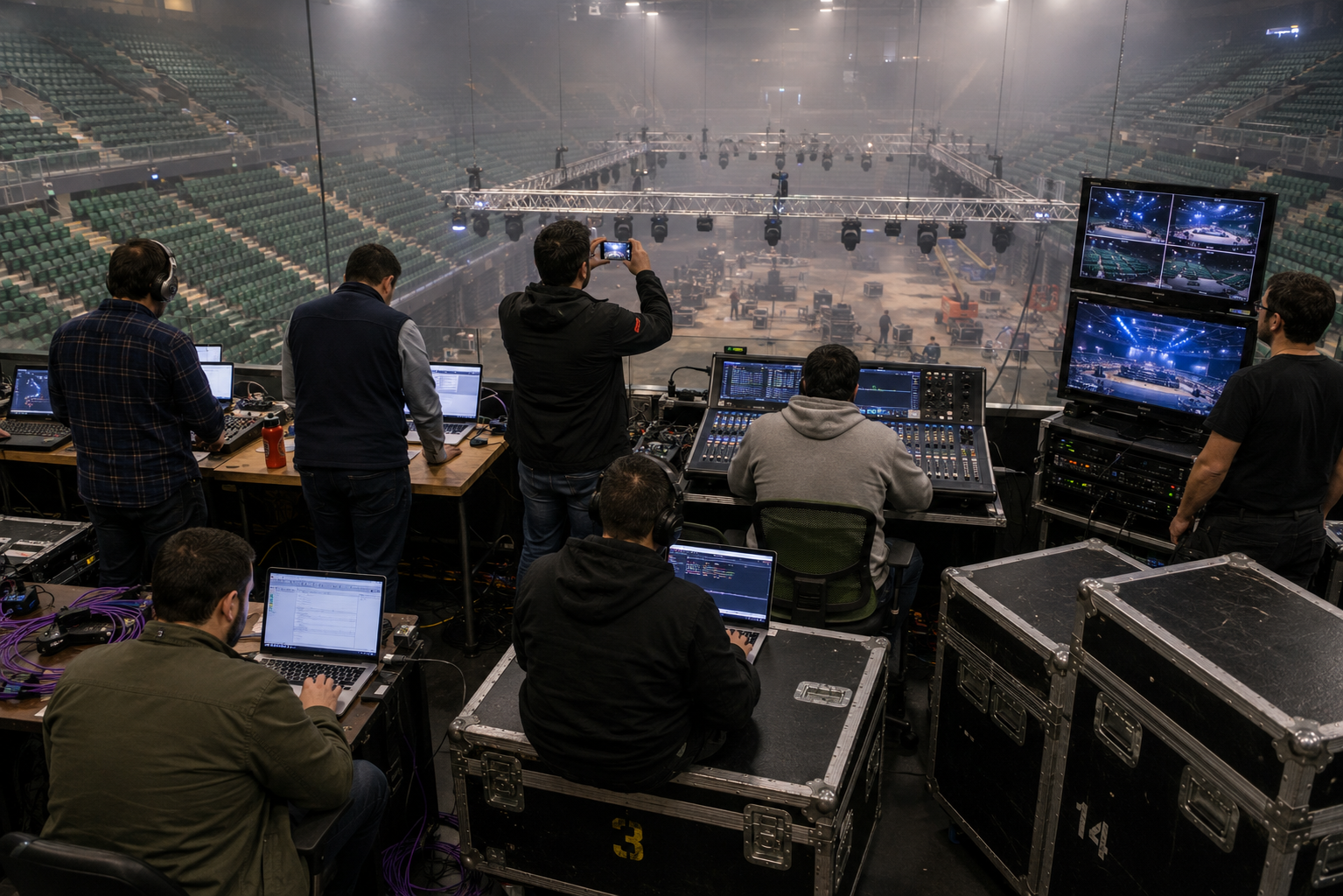
Behind the Scenes of a Full-Service Event Production Company
What Do They Actually Handle In-House?
Some event production companies own their entire operation, from AV to logistics. Others are essentially project managers who subcontract most of the work. Neither model is automatically wrong, but you need to know which one you're dealing with. When a company subcontracts heavily, your quality control depends on vendors you've never evaluated.
A full-service event production company handles creative direction, technical production, logistics, and on-site execution without passing off key responsibilities. That integration tends to show in the final result.
Ask for References, Then Use Them
Any company worth hiring should be able to connect you with past clients who can speak honestly about working with them. Ask for two or three references from events similar to yours in scale and format, then actually reach out. What you want to know: Did they deliver what was promised? How did they communicate when problems came up? Would they hire them again?
One real conversation with a past client tells you more than any testimonial on a website. Don't skip this step.
Questions to Bring to Your Next Meeting
Before you sit down with a potential production partner, have these ready:
What events have you produced that are most similar to mine?
Who will be my day-of contact, and is that the same person handling my planning?
What's included in the quote, and what could add to that cost?
How do you handle problems during a live event?
Which services do you own in-house versus subcontract?
Can I speak with two or three past clients?
If you want a production partner with both the creative range and technical depth to pull it off, see what Homerun Entertainment brings to live event production.
The Right Questions Lead to the Right Partner
Most problems that derail an event, budget surprises, communication gaps, crew turnover, are things you could have caught early with the right questions. Take the time to understand how a company works, not just what they've done. The answers will tell you far more than their portfolio can.