
Entertainment Production vs Event Production: Key Differences
People use "entertainment production" and "event production" like they mean the same thing. And honestly, it makes sense why. Both involve crews, cameras, tight schedules, and a lot of moving parts. But they're built around completely different goals, and mixing them up when you're hiring or budgeting can cost you. Knowing the real difference between entertainment production vs event production helps you make smarter decisions from the start.
Key Takeaways
Entertainment production creates content for audiences to watch on screen; event production delivers a live experience in real time.
Entertainment projects go through post-production; event projects end when the event does.
The crew roles and skill sets in each discipline are different, even where they overlap.
Hybrid events and branded content increasingly require both types of production expertise.
Choosing the right production partner comes down to your primary goal: content creation or live audience experience.
What Is Entertainment Production?
Entertainment production focuses on creating media for audiences to watch, such as TV shows, documentaries, and branded series. The process involves turning an initial concept into a polished final product through planning and technical execution.
Post-production distinguishes this field. After filming, extensive work in editing and sound mixing ensures the content succeeds on its own. Consequently, entertainment production trends now prioritize strategy and storytelling over just technical equipment.
These companies prioritize narrative arcs and audience retention. Their expertise is best suited for repeatable, long-term content rather than one-time live events.
What Is Event Production?
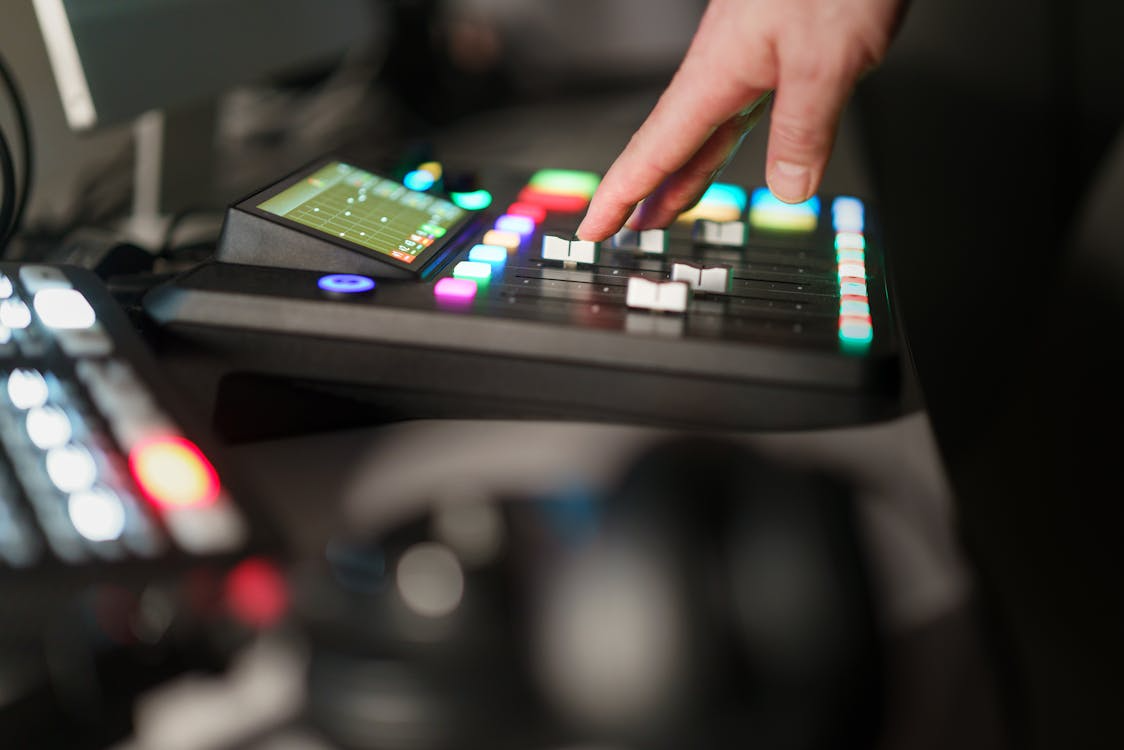
Event production focuses on building a live experience, such as awards ceremonies, galas, or corporate conferences. The team manages staging, audio, lighting, and all logistics for the day. Because the audience is live, there is no second take; everything must land the first time. This pressure is why production roles in events are highly specialized, requiring technical directors, stage managers, and A/V leads to operate in sync with no room for error.
It's also worth separating event production from event planning, since those two terms get confused just as often. The difference between event production vs event planning comes down to who's managing logistics and who's actually executing the technical show. Not the same job.
Event Production vs Event Planning: What's the Difference
4 Key Differences You Should Know
The easiest way to understand how these two disciplines compare is to look at what each one is actually optimizing for. Here's a quick breakdown:
Goal. Entertainment production creates a finished piece of content that audiences can watch again and again. Event production delivers a single live experience that has to be right the moment it happens.
Timeline. Entertainment projects run through three phases: pre-production, production, and post-production. Event projects are front-loaded with planning, and everything culminates in one live day. Post-production is minimal or nonexistent.
Team Composition. Entertainment productions rely heavily on writers, directors, editors, and post-production specialists. Event productions run on technical directors, stage managers, lighting designers, and audio engineers. Some roles cross over, but the skill sets aren't interchangeable.
Audience Relationship. In entertainment production, the audience experience is shaped in the edit. In event production, the audience is in the room (or watching live), and the production has to respond to them as it happens.
If your project lives on both sides of this divide, you need a team that genuinely understands both. Homerun Entertainment's award-winning live event producers combine the technical execution of event production with the storytelling depth of entertainment production, working as one integrated team from concept to delivery.
Where Entertainment and Event Production Meet
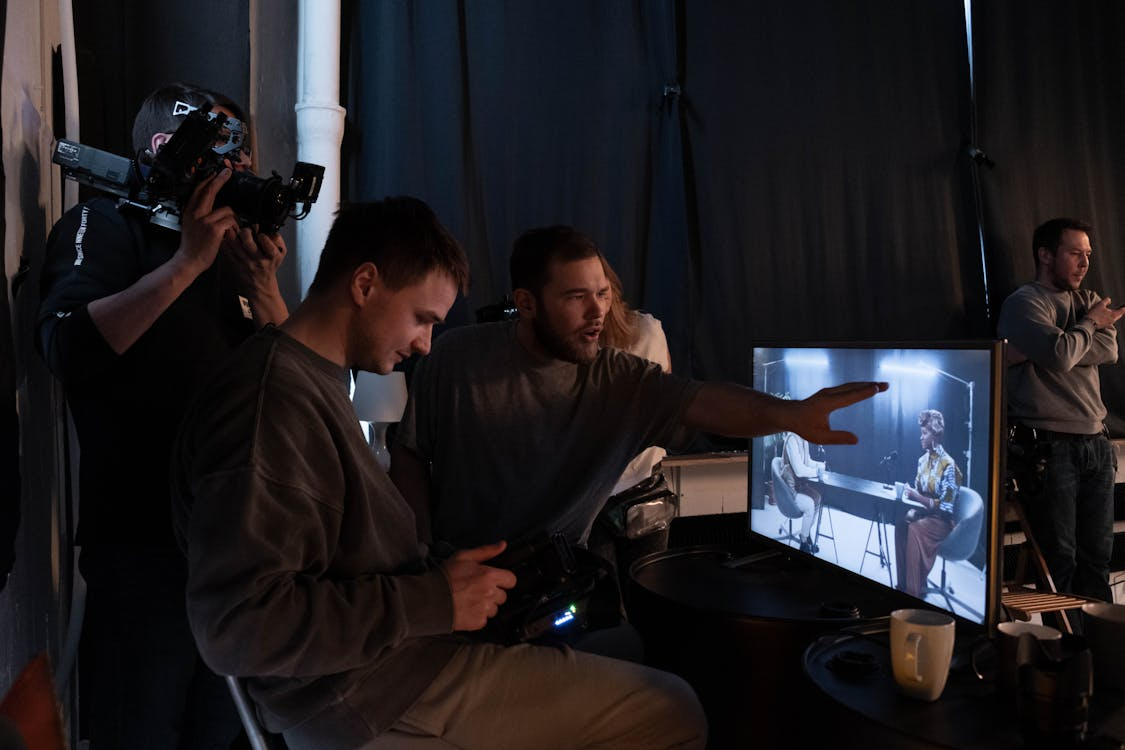
The line between event and entertainment production is getting thinner, which helps clients. Hybrid events need live event execution plus broadcast-quality cameras, streaming, and visuals, especially when a gala or fundraiser has thousands of remote viewers.
Teams that handle live events and award shows know this overlap well. They're not just focused on what happens on stage; they're thinking about camera angles, broadcast formats, and how the whole thing looks on a screen at the same time.
Branded content is another common crossover point. A brand might host a live activation and also want a polished recap video for their channels. That requires two very different mindsets working in sync. The space where entertainment production vs event production converge is most visible in exactly these kinds of multi-platform projects.
How to Choose the Right Production Partner
Your choice depends on your goal. For long-form digital storytelling, choose entertainment production. For flawless live or virtual experiences, you need event production. If your project requires both, hire a team with proven expertise in both fields.
The live event production differences are philosophical: event producers focus on moments, while entertainment producers focus on stories. The best partners master both by asking the right questions.
A few things worth asking any production partner before you commit:
Can you see their event reel and their content reel separately?
How do they handle post-production when there's a live component?
Does their technical team have broadcast experience?
Those questions will tell you quickly whether you're talking to a true hybrid production company or just a vendor who leans hard in one direction.
Entertainment Production Trends: What's Changing in 2026
Homerun Entertainment has spent decades working at exactly this intersection. If you want to understand what separates a high-end live event production company from the rest, it starts with teams that genuinely know both sides of the business.
The Bottom Line
Entertainment production and event production aren’t the same, even if they use similar spaces and equipment. One focuses on storytelling and post-production, while the other focuses on live execution and real-time audience experience. Knowing the difference helps you hire the right team, ask better questions, set clearer expectations, and get a stronger result.