
How the World Cup Is Produced: Behind the Scenes of Global Sports Storytelling
The FIFA World Cup is the most-watched sporting event on Earth. Billions of people tune in across every time zone, and what they see on screen looks effortless. What goes into making it happen is anything but. The complexity of World Cup production is something most fans never think about, and that's actually the point. When it's done right, you don't notice the machinery. You just feel the moment.
Key Takeaways
World Cup production involves thousands of crew members, hundreds of cameras, and years of advance planning.
Broadcast rights and multilingual commentary infrastructure are locked in well before the first match.
Storytelling, not just footage, is what turns a sports broadcast into a global cultural event.
New technology like AI-driven highlight tools and remote production hubs has changed how tournaments are covered.
The skills behind a World Cup broadcast are the same ones that drive great television and live event production at any scale.
Planning That Starts Years in Advance
You can't plan a World Cup broadcast in a few months. FIFA and its broadcast partners start infrastructure planning years before the tournament begins. Broadcast rights are sold to networks in over 200 countries, host cities are locked in, and the technical groundwork for signal transmission gets laid long before a single team qualifies.
The 2026 World Cup, spread across cities in the United States, Canada, and Mexico, added a new layer of complexity because of the sheer geographic spread. Each stadium needs its own production setup, and that means coordinating a lot of moving parts:
Camera infrastructure: More than 40 cameras per match, including slow-motion rigs, drone units, and player-tracking systems.
Power and cabling: Dedicated electrical systems and fiber lines run throughout every venue.
Commentary booths: Dozens of language teams need dedicated space, audio routing, and independent feeds.
Technical trucks: On-site production vehicles house the equipment that drives the live broadcast.
Getting all of that in place, tested, and operational across multiple countries is a logistical operation that takes years to execute properly.
Behind the Scenes of a Full-Service Event Production Company
How the Broadcast Actually Works
On match day, FIFA's host broadcast division produces a clean international signal that goes out to every rights-holding network in the world. Networks then layer their own commentary, graphics, and branding on top. That's why a viewer in Brazil and a viewer in Japan can watch the same match and have a completely different experience.
The mechanics behind this are documented thoroughly in the world of sports media. The World Cup broadcast production system involves layered signal management, rights controls, and real-time quality checks that very few live events can match in scale.
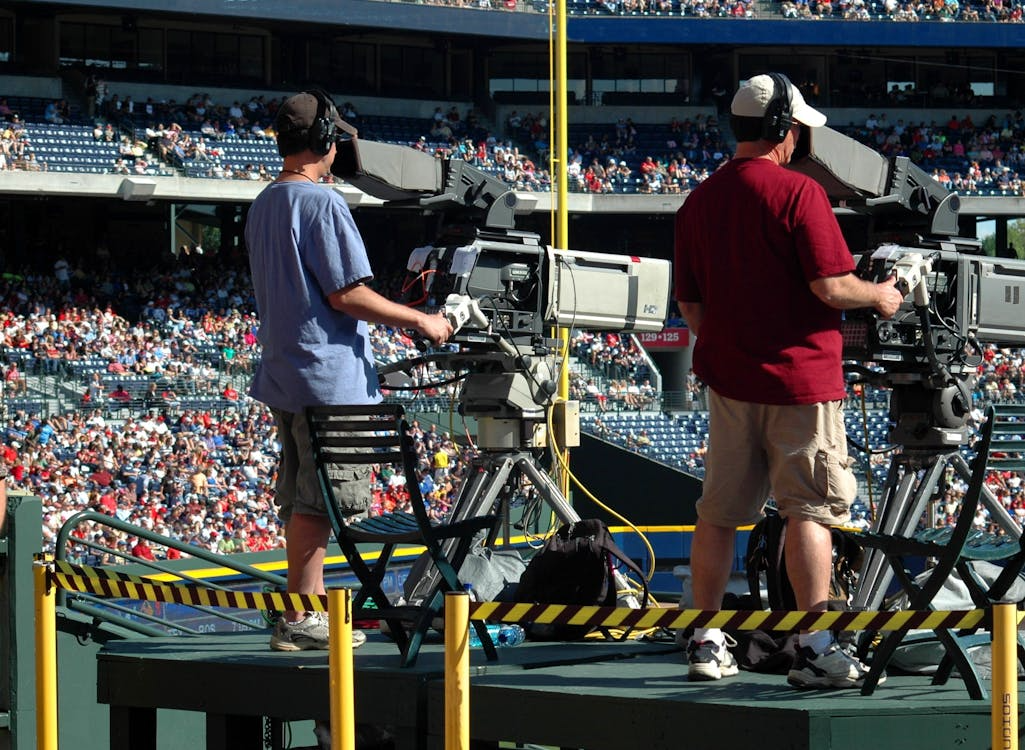
At the center of it all are the live event producers who hold the whole thing together. They call camera cuts, manage replay operators, direct graphics teams, and coordinate audio engineers in real time. It's fast, high-stakes work with no room for hesitation.
If you're building something at this level of complexity, connect with Homerun Entertainment to discuss your production needs.
Why Storytelling Matters as Much as the Footage
The best World Cup broadcasts aren't just well-shot. They're well-told. Producers develop player packages before the tournament even starts, anticipating the storylines they'll need during the broadcast. They plan human interest segments, historical context pieces, and transition content that keeps audiences engaged even between matches.
The evolution of World Cup coverage over the decades shows exactly how central storytelling has become. Early tournaments were mostly about showing the game. Modern broadcasts weave together fan reactions, player biographies, real-time data graphics, and emotional moments in a way that keeps billions of viewers locked in for weeks.
The Role of Producers in Modern Television Production
The 2026 Challenge: 104 Matches, One Tournament
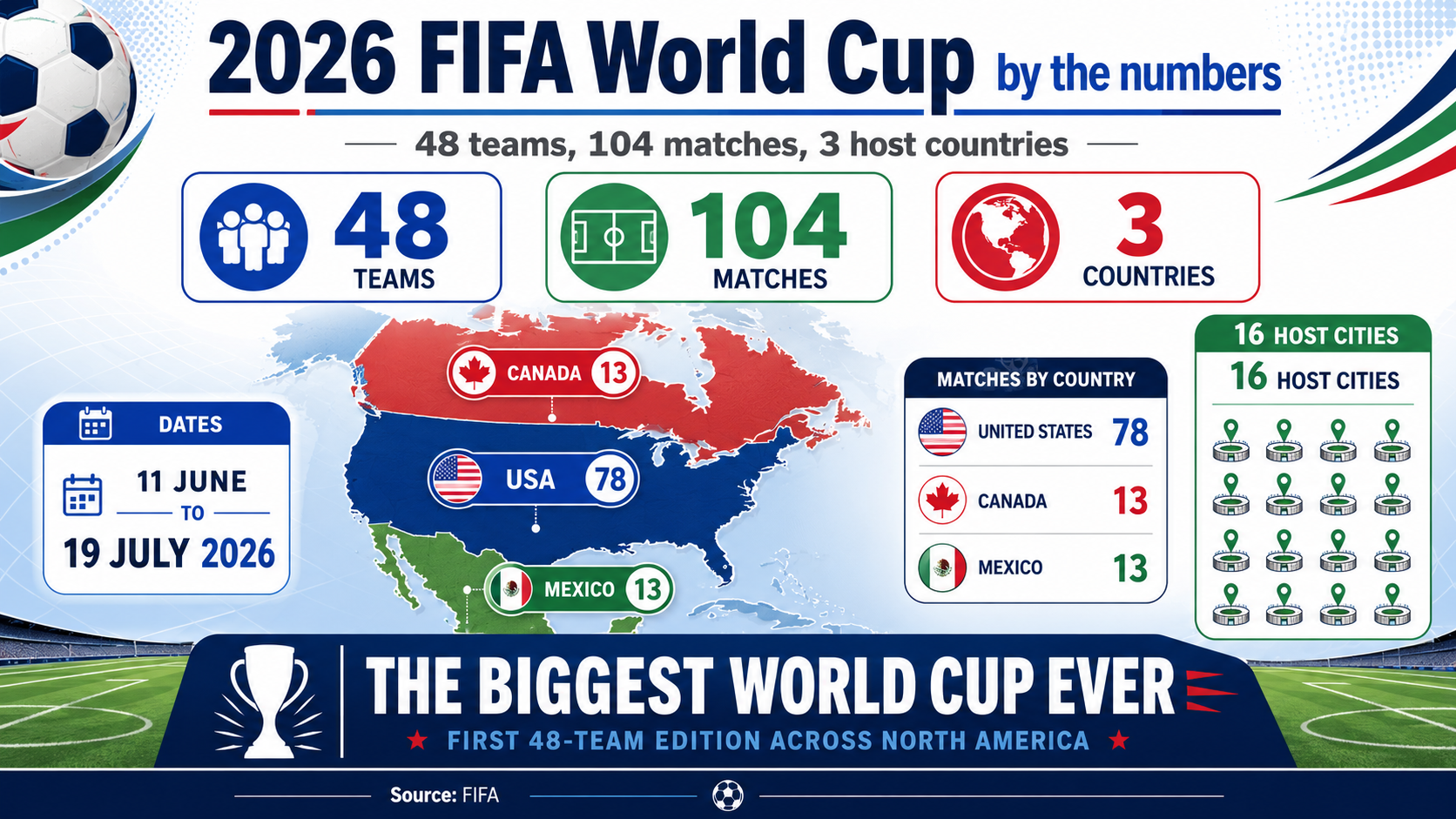
The 2026 World Cup is the biggest in history. Forty-eight teams, 104 matches, and three host countries. That's a 63% jump in match volume from previous editions, which means more venues to wire, more crews to staff, more content to produce, and a much longer production window.
The challenge of scaling storytelling for the World Cup has pushed broadcasters to adopt tools they never had before. A few of the biggest shifts:
AI-assisted highlight clipping that processes footage as it happens.
Automated metadata tagging to organize thousands of hours of content in real time.
Remote production hubs that reduce the number of people needed on-site at each venue.
None of these tools replace editorial judgment. They just give producers the bandwidth to focus on what matters: getting the right moments to the right audiences.
The Disciplines That Drive It All
World Cup production pulls from every corner of the broadcast and live events world. The crew list alone tells the story. You need camera operators who can handle tight spaces and extreme weather. Audio engineers who understand stadium acoustics. Graphics teams who can translate real-time data into clean on-screen visuals within seconds. And a production leadership team experienced enough to make the right call when something breaks, because it always does.
This is exactly where the link to broader television production becomes clear. Pre-production planning, real-time decision-making, post-production editing, and audience-first storytelling are the same disciplines that drive any high-quality broadcast or streaming project. The scale shifts, but the fundamentals don't.
A look at the behind the scenes of a full-service event production company shows how those same disciplines apply to live events of every size, from stadium broadcasts to branded galas.
If you're planning a large-scale live event or a television series, Homerun Entertainment's television production team has the experience to take it from concept to final delivery.
Conclusion
The World Cup doesn't just happen. It's built, section by section, by thousands of people whose names never appear on screen. Every cable run, every camera angle, every storytelling decision is part of a system designed to make billions of viewers feel something in the same moment. That's the standard great production sets, and it's the standard that carries into every live event and broadcast project worth doing right.