
Event Operations Guide: Managing Production on Event Day
Pre-event planning is extensive, but event day brings high-speed pressure. Unforeseen issues like late speakers or AV drops are common in large productions. Successful teams manage these through preparation, not luck. Effective production relies on a clear operational structure established before guests arrive.
Key Takeaways
A locked run of show keeps every crew member aligned on timing, roles, and transitions.
Designating one operational lead prevents communication fragmentation during high-pressure moments.
A full technical walkthrough before doors open is the most effective way to surface problems early.
Segmented communication channels help the right people get the right information in real time.
A post-event debrief creates a feedback loop that directly improves future productions.
Build Your Run of Show Before Anything Else
A run of show is the operational script for the whole event, not just a schedule. It should cover tech cues, speaker transitions, lighting changes, AV updates, and audience movement, with each team lead getting the version relevant to their role. Lock it at least 24 hours before the event, send the final copy to all leads, and keep printed copies on hand because batteries die, apps crash, and paper still works when tech doesn’t.
Behind the Scenes of a Full-Service Event Production Company
Assign One Person to Own Event Day Operations
When vendors are calling the event planner, the venue coordinator, and the AV tech all at the same time about the same issue, you get noise instead of answers. Designate one person as the operational lead for the day. Make sure every vendor and crew member knows who that is before anyone sets foot in the venue.
This person doesn't personally solve every problem. Their job is to triage, direct, and escalate when needed. Understanding how event production companies work behind the scenes makes it clear why this command structure matters. It's the difference between a team that absorbs a crisis and one that gets swallowed by it.
Run a Full Technical Walkthrough Before Doors Open
Technical issues don't usually reveal themselves during the event. They show up during setup, and if nobody is there to catch them, they become event-day emergencies. Plan a complete technical walkthrough at least two hours before guests arrive. Here's what that should cover:
Test every microphone and confirm there are no audio dead zones in the room.
Check all projectors, screens, and video feeds against the finalized presentation files.
Walk all lighting cues and confirm they're programmed in the correct sequence.
Confirm the stage setup matches what was agreed on with your presenters and performers.
Walk the guest journey from entry to seating and flag any congestion risks.
Your event day operations checklist should drive this walkthrough, not your memory. A shared or printed checklist keeps the process systematic and makes it easy to sign off on each item as it's confirmed.
If you want a production partner who builds this level of rigor into every event, Homerun Entertainment's live event producers bring the structure and experience that keep high-stakes events running without a hitch.
Set Up Communication Channels That Work Under Pressure
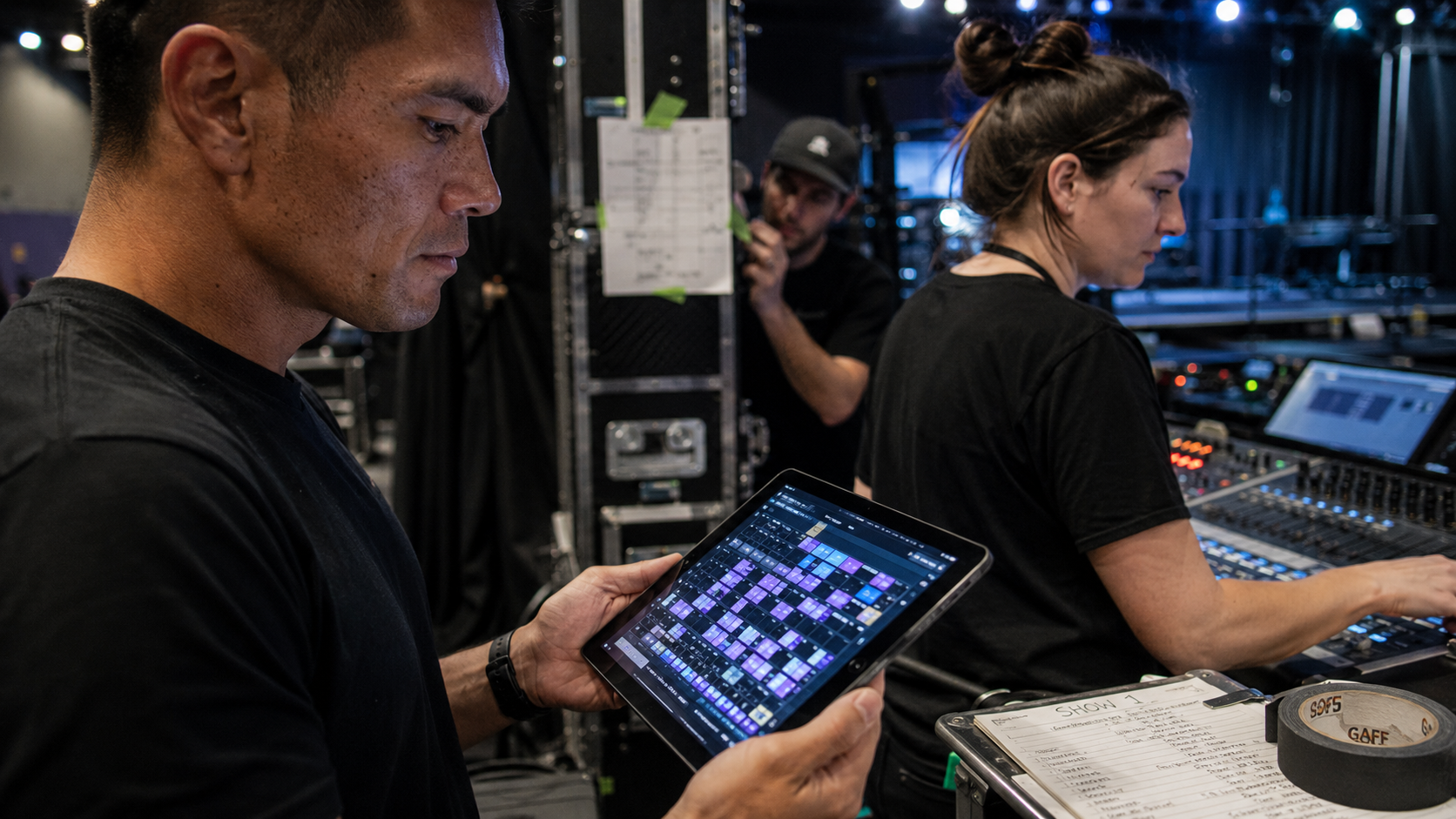
Group text threads work fine for planning. They fall apart on event day when decisions need to happen in seconds. Two-way radios or a dedicated push-to-talk app keep your operations crew in sync without the lag of typing out a message and waiting for a read receipt. Speed matters when you need to redirect a keynote speaker or respond to a registration backup at the entrance.
Keep channels specific. Use one for broad operations updates, a separate one for AV and tech, and another for logistics and vendor coordination. When everyone is on a single channel, critical messages get buried. Segmented channels mean the right people get the right information at the right time. This kind of real time event production management is something experienced production teams build into their workflow by default.
10 Things to Look for When Hiring an Event Production Company
Manage Vendor Arrivals and Guest Flow Proactively
Vendors should know exactly when to arrive, where to load in, and who to check in with on arrival. Send a vendor-specific timeline the day before and confirm receipt. On event day, station a crew member at the load-in area during peak arrival windows. Unmanaged vendor arrivals create bottlenecks that ripple into setup delays, which ripple into everything else.
Guest flow needs the same attention. Registration lines, coat checks, and seating areas should be staffed at appropriate ratios for your expected attendance. Your professional live event management services team should walk the guest journey before doors open, identify any pinch points or unclear signage, and address them before anyone walks through the door.
Build in Buffer Time and Know Your Contingencies
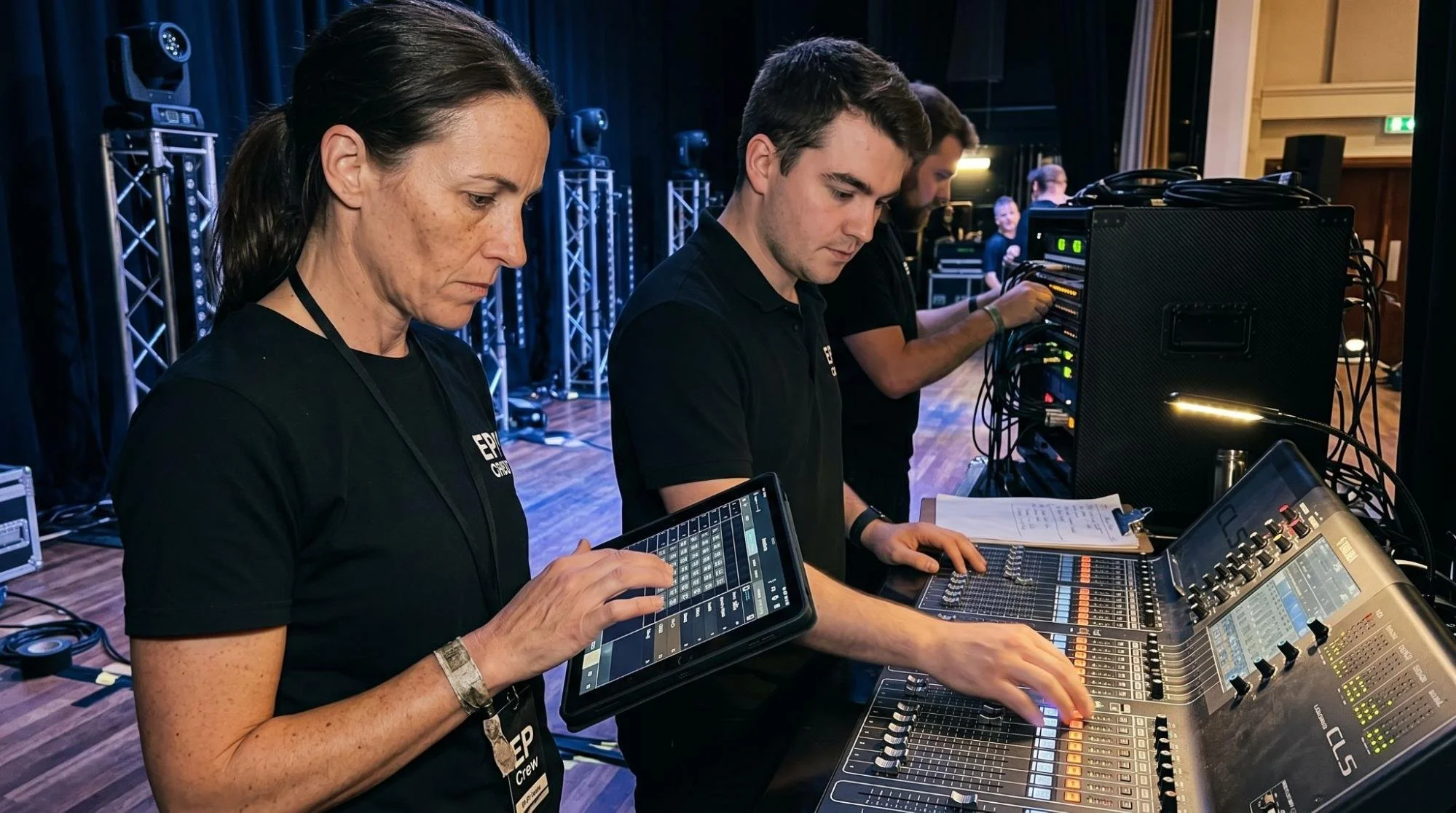
Not every run of show item needs a buffer, but add 3-5 minutes to likely long transitions (speaker changeovers, AV resets, meal service) to absorb small delays. For higher-risk elements, write out clear contingency plans. Structured approaches to managing live event production on site always account for the unexpected, ensuring your team is never caught off guard.
Close Out With the Same Intention You Started With
Breakdown and load-out require the same coordination as setup, including a clear timeline, responsibilities, and venue expectations, to avoid friction and damage claims. Within 48 hours, run a post-event debrief to capture lessons learned. Your live event producers should be included, as their field perspective is critical for surfacing issues.
Final Thoughts
Event day production is a discipline, not just a series of tasks to check off. It takes preparation, clear communication, and a team that knows how to stay calm when things shift. The best productions feel effortless to the audience because the work behind them is anything but.
If you're planning an event and want a team that approaches production this seriously, get in touch with Homerun Entertainment to talk through what your event needs and find out what a structured production approach actually looks like on the ground.